
VR game machines have become one of the most powerful traffic-driving attractions in modern arcades, family entertainment centers (FECs), shopping malls, and immersive entertainment venues. Their ability to combine premium experiences, interactive gameplay, and high visual impact makes them highly effective for increasing customer engagement, dwell time, and revenue performance.
However, achieving strong returns from VR attractions requires more than installing advanced equipment. Long-term success depends on strategic VR machine placement and smart content selection that optimize customer flow, improve machine utilization, and encourage repeat visits.
1. Why VR Machine Strategy Matters
VR machines typically require more investment and space than traditional arcade equipment.
Key advantages of strategic planning:
- Higher utilization rates
- Improved customer flow
- Better ROI performance
- Increased premium gameplay opportunities
Well-planned VR zones create stronger operational efficiency and customer satisfaction.
2. Selecting the Right VR Content Portfolio
Content selection directly affects engagement and retention.
Recommended content categories:
- VR racing simulators
- Interactive sports experiences
- Adventure and exploration games
- Family-friendly entertainment
- Multiplayer VR challenges
A balanced content mix attracts broader customer demographics.
3. Matching VR Experiences to Target Audiences
Customer preferences should guide content strategy.
Kids and families:
- Casual interactive experiences
- Simple motion-based games
Teenagers and young adults:
- Competitive and immersive gameplay
Groups and social visitors:
- Multiplayer and cooperative experiences
Audience-focused planning improves participation and repeat visitation.
4. Positioning VR Machines to Maximize Visibility
Placement significantly influences performance.
Best locations:
- Near venue entrances
- Central entertainment areas
- Adjacent to simulator zones
- Highly visible traffic corridors
Movement and visual effects naturally attract customer attention.
5. Designing Space for Comfort and Capacity
VR experiences require efficient space management.
Layout considerations:
- Safe player movement areas
- Dedicated waiting zones
- Clear entry and exit flow
- Staff supervision visibility
Smart space planning improves throughput and player satisfaction.
6. Creating Dedicated VR Experience Zones
Grouping VR attractions strengthens their impact.
Recommended nearby attractions:
- Racing simulators
- Sports simulators
- Interactive projection games
- Redemption entertainment zones
Dedicated zones create stronger venue identity and immersive experiences.
7. Increasing Engagement Through Multiplayer Experiences
Social interaction improves replay value.
Popular formats:
- Team competitions
- Cooperative missions
- Group challenge modes
- Event-based gameplay
Multiplayer experiences encourage longer stays and higher group spending.
8. Optimizing Session Length for Higher Throughput
Gameplay duration affects machine utilization.
Recommended structure:
- Short introductory experiences
- Mid-length premium sessions
- Flexible content switching
Balanced session design increases both customer satisfaction and operational efficiency.
9. Refreshing Content to Maintain Long-Term Interest
Content updates encourage repeat visits.
Best practices:
- Rotate content libraries regularly
- Introduce seasonal experiences
- Launch limited-time events
- Monitor popularity trends
Fresh content helps maintain excitement and competitiveness.
10. Integrating Technology to Improve Operations
Technology enhances both gameplay and management.
Recommended features:
- Cashless payment systems
- Smart reservation tools
- Digital performance reporting
- Interactive queue displays
Operational upgrades improve convenience and resource utilization.
11. Maintenance and Reliable Operation
Reliable equipment is essential for sustainable revenue.
Key maintenance priorities:
- Routine headset sanitization
- Motion platform inspections
- Software updates
- Technical support readiness
Reliable operations improve customer trust and replay behavior.
12. Revenue and ROI Benefits
Strategic VR planning delivers measurable business value.
Typical outcomes:
- Increased customer traffic
- Higher dwell time
- Improved machine utilization
- Premium pricing opportunities
- ROI within 4–8 months in busy venues
Smart placement and content strategy maximize the value of VR investments.
13. Factory Strength & Production Capability
Our factory specializes in manufacturing advanced VR game machines, including motion simulators, multiplayer VR platforms, and immersive entertainment systems. With advanced production capabilities and OEM/ODM support, we provide reliable solutions for global entertainment venues.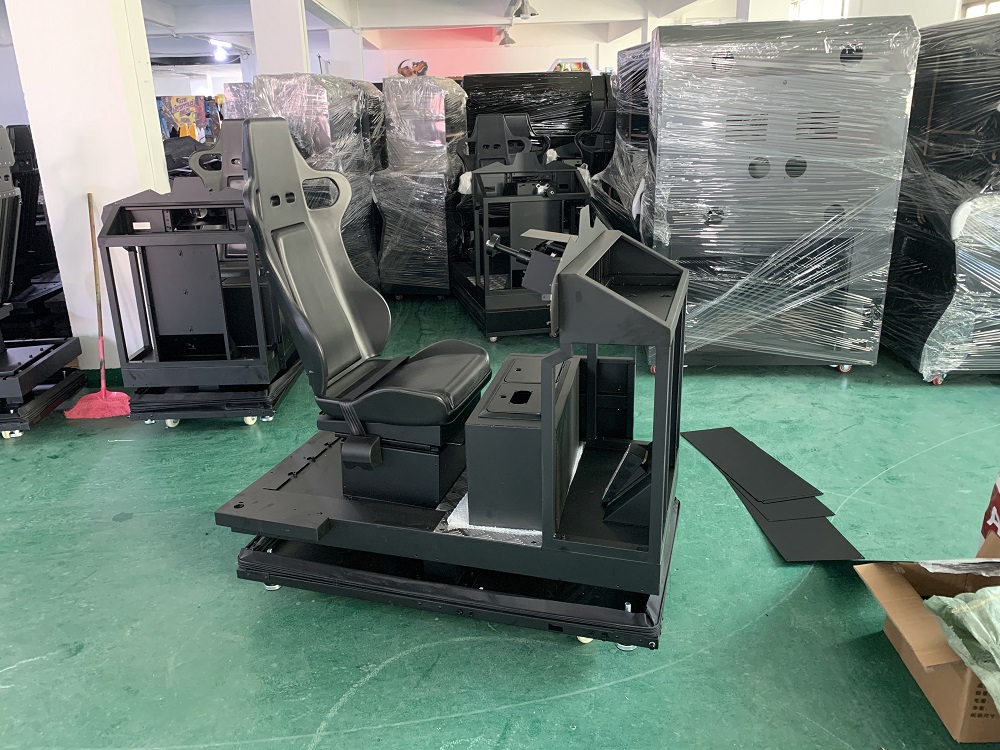
14. One-Stop Arcade Solution
We provide a complete one-stop solution including VR machine supply, space planning, content strategy consultation, logistics, installation, and after-sales support. Our goal is to help clients maximize arcade performance and create sustainable long-term revenue growth.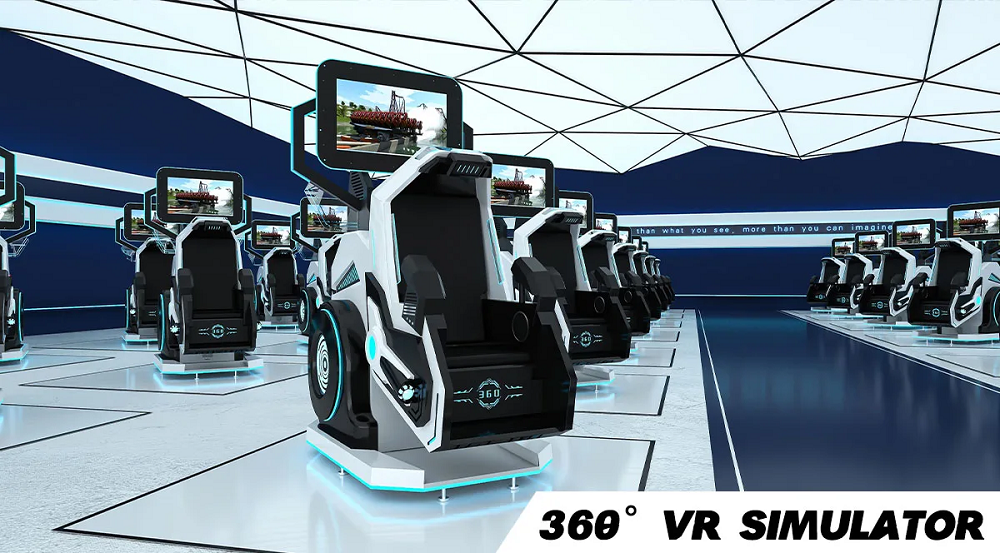
Conclusion
Maximizing arcade performance with VR machines requires a combination of strategic placement, targeted content selection, efficient space planning, and ongoing operational optimization. By creating immersive and flexible VR environments, operators can improve customer engagement, increase venue activity, and strengthen long-term profitability.
For modern arcades and FECs, VR attractions remain one of the most effective investments for building premium entertainment experiences and achieving sustainable growth.