
Improving Customer Engagement with Sports Simulators Through Competitive Gameplay Design

Table of Contents

Sports simulators have become one of the most engaging attractions in modern arcades, family entertainment centers (FECs), and sports entertainment venues. Whether it’s basketball, football, baseball, golf, or racing-style sports games, these machines combine physical interaction with digital competition to create highly immersive experiences.

However, long-term success depends on more than technology alone. To maximize revenue and repeat visits, operators must focus on competitive gameplay design that keeps players motivated, challenged, and socially engaged.Sports simulators have become one of the most engaging attractions in modern arcades, family entertainment centers (FECs), and sports entertainment venues. Whether it’s basketball, football, baseball, golf, or racing-style sports games, these machines combine physical interaction with digital competition to create highly immersive experiences.  However, long-term success depends on more than technology alone. To maximize revenue and repeat visits, operators must focus on competitive gameplay design that keeps players motivated, challenged, and socially engaged.  1. Why Competitive Gameplay Increases Engagement  Competition naturally encourages players to stay longer and play more often.  Key benefits:  Higher replay value Increased social interaction Longer dwell time Stronger emotional investment  Players are more likely to return when they feel challenged or motivated to improve.  2. Designing Skill-Based Gameplay Loops  Skill progression is essential for sustained engagement.  Best practices:  Start with beginner-friendly difficulty Gradually increase challenge levels Reward accuracy, timing, and consistency  A balanced learning curve keeps both casual and advanced players interested.  3. Integrating Real-Time Leaderboards  Leaderboards create visible competition and encourage repeat play.  Benefits:  Motivates players to beat high scores Encourages social comparison Creates community engagement  Displaying rankings prominently increases participation and excitement.  4. Using Multiplayer and Team Modes  Sports are naturally social, making multiplayer features highly effective.  Popular formats:  1v1 competitions Team-based challenges Tournament modes  Group gameplay increases player interaction and overall spending.  5. Creating Short, High-Intensity Gameplay Sessions  Fast-paced sessions improve player flow and machine turnover.  Recommended structure:  30–90 second gameplay cycles Quick score feedback Instant replay opportunities  Short sessions encourage repeated attempts and maintain excitement.  6. Reward Systems That Encourage Repeat Play  Players respond strongly to progression and rewards.  Effective reward mechanics:  Achievement milestones Bonus rounds Progressive difficulty rewards Ticket or prize integration  Recognition and rewards increase retention and replay frequency.  7. Enhancing Spectator Appeal  Competitive gameplay should be entertaining to watch.  Key features:  Large score displays Dynamic sound effects Real-time gameplay animations  Spectator engagement attracts additional players and increases venue energy.  8. Strategic Zone Design for Competitive Energy  Machine placement affects the competitive atmosphere.  Best layout strategies:  Group sports simulators together Create open viewing areas Position machines in high-traffic zones  A dedicated sports zone amplifies excitement and social interaction.  9. Data-Driven Gameplay Optimization  Use performance data to improve engagement.  Key metrics:  Average play time Replay frequency Difficulty completion rates Revenue per machine  Adjust gameplay settings based on actual player behavior.  10. Integrating Seasonal and Event-Based Competitions  Events create urgency and repeat traffic.  Examples:  Weekly score challenges Seasonal tournaments Venue-wide sports competitions  Limited-time events encourage players to return frequently.  11. Maintenance and Gameplay Consistency  Reliable gameplay is essential for competitive integrity.  Best practices:  Regular sensor calibration Accurate scoring systems Stable software performance Quick technical support  Consistent performance builds player trust and satisfaction.  12. Revenue and ROI Benefits  Competitive gameplay design significantly improves profitability.  Typical outcomes:  Increased repeat visits Higher player spending Longer dwell time Faster ROI in high-traffic venues  Sports simulators become more than games—they become recurring social experiences.  13. Factory Strength & Production Capability(图片位置建议段落)  Our factory specializes in manufacturing advanced sports simulator machines, including basketball, football, baseball, golf, and interactive competition systems. With cutting-edge technology, durable construction, and OEM/ODM customization, we provide reliable solutions for global entertainment venues.  (此段落后可插入工厂图片)  14. One-Stop Arcade Solution(图片位置建议段落)  We provide a complete one-stop solution including sports simulator supply, gameplay optimization guidance, layout planning, logistics, installation, and after-sales support. Our goal is to help clients create high-engagement competitive zones that maximize revenue and ROI.  (此段落后可插入一站式图片)  Conclusion  Competitive gameplay design is one of the most effective ways to improve customer engagement with sports simulators. By combining skill progression, multiplayer interaction, leaderboards, and strategic layout design, operators can create immersive experiences that drive repeat play and long-term profitability.  For modern arcades and entertainment centers, sports simulators are not just attractions—they are powerful tools for building community, engagement, and sustainable revenue growth.


1. Why Competitive Gameplay Increases Engagement

Competition naturally encourages players to stay longer and play more often.

Key benefits:

  • Higher replay value
  • Increased social interaction
  • Longer dwell time
  • Stronger emotional investment

Players are more likely to return when they feel challenged or motivated to improve.


2. Designing Skill-Based Gameplay Loops

Skill progression is essential for sustained engagement.

Best practices:

  • Start with beginner-friendly difficulty
  • Gradually increase challenge levels
  • Reward accuracy, timing, and consistency

A balanced learning curve keeps both casual and advanced players interested.


3. Integrating Real-Time Leaderboards

Leaderboards create visible competition and encourage repeat play.

Benefits:

  • Motivates players to beat high scores
  • Encourages social comparison
  • Creates community engagement

Displaying rankings prominently increases participation and excitement.


4. Using Multiplayer and Team Modes

Sports are naturally social, making multiplayer features highly effective.

Popular formats:

  • 1v1 competitions
  • Team-based challenges
  • Tournament modes

Group gameplay increases player interaction and overall spending.


5. Creating Short, High-Intensity Gameplay Sessions

Fast-paced sessions improve player flow and machine turnover.

Recommended structure:

  • 30–90 second gameplay cycles
  • Quick score feedback
  • Instant replay opportunities

Short sessions encourage repeated attempts and maintain excitement.


6. Reward Systems That Encourage Repeat Play

Players respond strongly to progression and rewards.

Effective reward mechanics:

  • Achievement milestones
  • Bonus rounds
  • Progressive difficulty rewards
  • Ticket or prize integration

Recognition and rewards increase retention and replay frequency.


7. Enhancing Spectator Appeal

Competitive gameplay should be entertaining to watch.

Key features:

  • Large score displays
  • Dynamic sound effects
  • Real-time gameplay animations

Spectator engagement attracts additional players and increases venue energy.


8. Strategic Zone Design for Competitive Energy

Machine placement affects the competitive atmosphere.

Best layout strategies:

  • Group sports simulators together
  • Create open viewing areas
  • Position machines in high-traffic zones

A dedicated sports zone amplifies excitement and social interaction.


9. Data-Driven Gameplay Optimization

Use performance data to improve engagement.

Key metrics:

  • Average play time
  • Replay frequency
  • Difficulty completion rates
  • Revenue per machine

Adjust gameplay settings based on actual player behavior.


10. Integrating Seasonal and Event-Based Competitions

Events create urgency and repeat traffic.

Examples:

  • Weekly score challenges
  • Seasonal tournaments
  • Venue-wide sports competitions

Limited-time events encourage players to return frequently.


11. Maintenance and Gameplay Consistency

Reliable gameplay is essential for competitive integrity.

Best practices:

  • Regular sensor calibration
  • Accurate scoring systems
  • Stable software performance
  • Quick technical support

Consistent performance builds player trust and satisfaction.


12. Revenue and ROI Benefits

Competitive gameplay design significantly improves profitability.

Typical outcomes:

  • Increased repeat visits
  • Higher player spending
  • Longer dwell time
  • Faster ROI in high-traffic venues

Sports simulators become more than games—they become recurring social experiences.


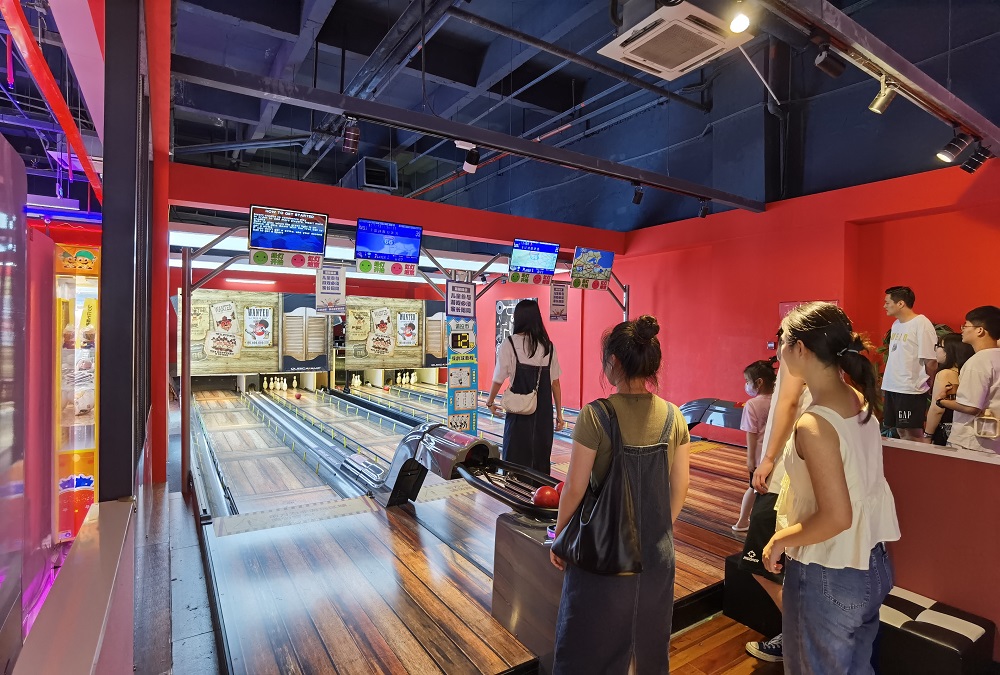
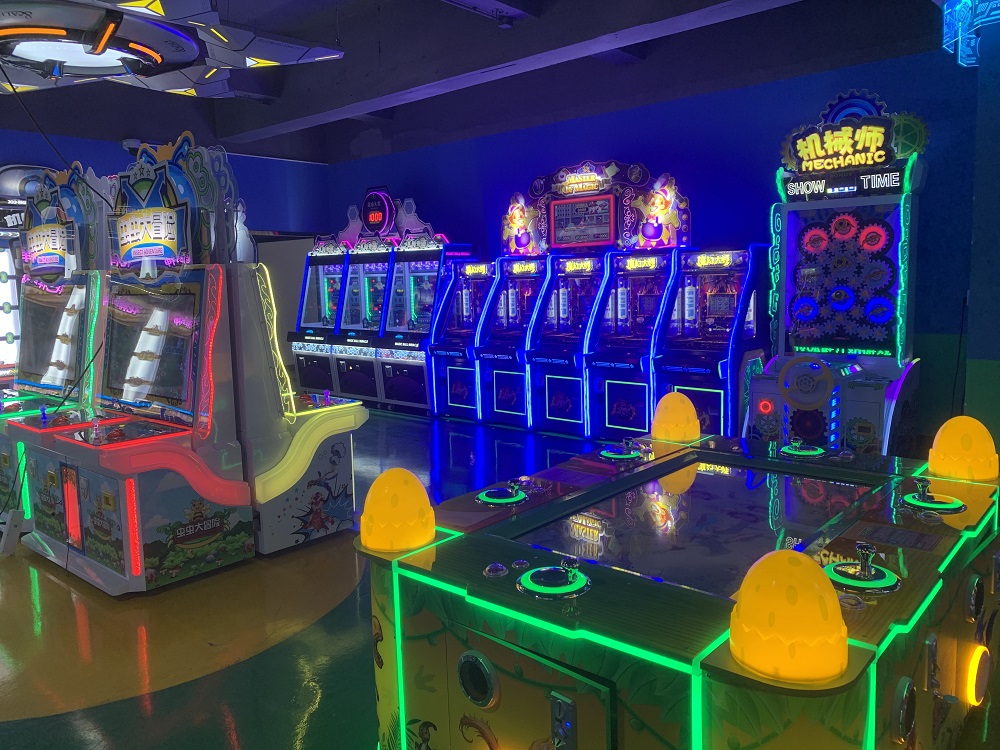
13. Factory Strength & Production Capability

Our factory specializes in manufacturing advanced sports simulator machines, including basketball, football, baseball, golf, and interactive competition systems. With cutting-edge technology, durable construction, and OEM/ODM customization, we provide reliable solutions for global entertainment venues.Sports simulators have become one of the most engaging attractions in modern arcades, family entertainment centers (FECs), and sports entertainment venues. Whether it’s basketball, football, baseball, golf, or racing-style sports games, these machines combine physical interaction with digital competition to create highly immersive experiences.  However, long-term success depends on more than technology alone. To maximize revenue and repeat visits, operators must focus on competitive gameplay design that keeps players motivated, challenged, and socially engaged.  1. Why Competitive Gameplay Increases Engagement  Competition naturally encourages players to stay longer and play more often.  Key benefits:  Higher replay value Increased social interaction Longer dwell time Stronger emotional investment  Players are more likely to return when they feel challenged or motivated to improve.  2. Designing Skill-Based Gameplay Loops  Skill progression is essential for sustained engagement.  Best practices:  Start with beginner-friendly difficulty Gradually increase challenge levels Reward accuracy, timing, and consistency  A balanced learning curve keeps both casual and advanced players interested.  3. Integrating Real-Time Leaderboards  Leaderboards create visible competition and encourage repeat play.  Benefits:  Motivates players to beat high scores Encourages social comparison Creates community engagement  Displaying rankings prominently increases participation and excitement.  4. Using Multiplayer and Team Modes  Sports are naturally social, making multiplayer features highly effective.  Popular formats:  1v1 competitions Team-based challenges Tournament modes  Group gameplay increases player interaction and overall spending.  5. Creating Short, High-Intensity Gameplay Sessions  Fast-paced sessions improve player flow and machine turnover.  Recommended structure:  30–90 second gameplay cycles Quick score feedback Instant replay opportunities  Short sessions encourage repeated attempts and maintain excitement.  6. Reward Systems That Encourage Repeat Play  Players respond strongly to progression and rewards.  Effective reward mechanics:  Achievement milestones Bonus rounds Progressive difficulty rewards Ticket or prize integration  Recognition and rewards increase retention and replay frequency.  7. Enhancing Spectator Appeal  Competitive gameplay should be entertaining to watch.  Key features:  Large score displays Dynamic sound effects Real-time gameplay animations  Spectator engagement attracts additional players and increases venue energy.  8. Strategic Zone Design for Competitive Energy  Machine placement affects the competitive atmosphere.  Best layout strategies:  Group sports simulators together Create open viewing areas Position machines in high-traffic zones  A dedicated sports zone amplifies excitement and social interaction.  9. Data-Driven Gameplay Optimization  Use performance data to improve engagement.  Key metrics:  Average play time Replay frequency Difficulty completion rates Revenue per machine  Adjust gameplay settings based on actual player behavior.  10. Integrating Seasonal and Event-Based Competitions  Events create urgency and repeat traffic.  Examples:  Weekly score challenges Seasonal tournaments Venue-wide sports competitions  Limited-time events encourage players to return frequently.  11. Maintenance and Gameplay Consistency  Reliable gameplay is essential for competitive integrity.  Best practices:  Regular sensor calibration Accurate scoring systems Stable software performance Quick technical support  Consistent performance builds player trust and satisfaction.  12. Revenue and ROI Benefits  Competitive gameplay design significantly improves profitability.  Typical outcomes:  Increased repeat visits Higher player spending Longer dwell time Faster ROI in high-traffic venues  Sports simulators become more than games—they become recurring social experiences.  13. Factory Strength & Production Capability(图片位置建议段落)  Our factory specializes in manufacturing advanced sports simulator machines, including basketball, football, baseball, golf, and interactive competition systems. With cutting-edge technology, durable construction, and OEM/ODM customization, we provide reliable solutions for global entertainment venues.  (此段落后可插入工厂图片)  14. One-Stop Arcade Solution(图片位置建议段落)  We provide a complete one-stop solution including sports simulator supply, gameplay optimization guidance, layout planning, logistics, installation, and after-sales support. Our goal is to help clients create high-engagement competitive zones that maximize revenue and ROI.  (此段落后可插入一站式图片)  Conclusion  Competitive gameplay design is one of the most effective ways to improve customer engagement with sports simulators. By combining skill progression, multiplayer interaction, leaderboards, and strategic layout design, operators can create immersive experiences that drive repeat play and long-term profitability.  For modern arcades and entertainment centers, sports simulators are not just attractions—they are powerful tools for building community, engagement, and sustainable revenue growth.


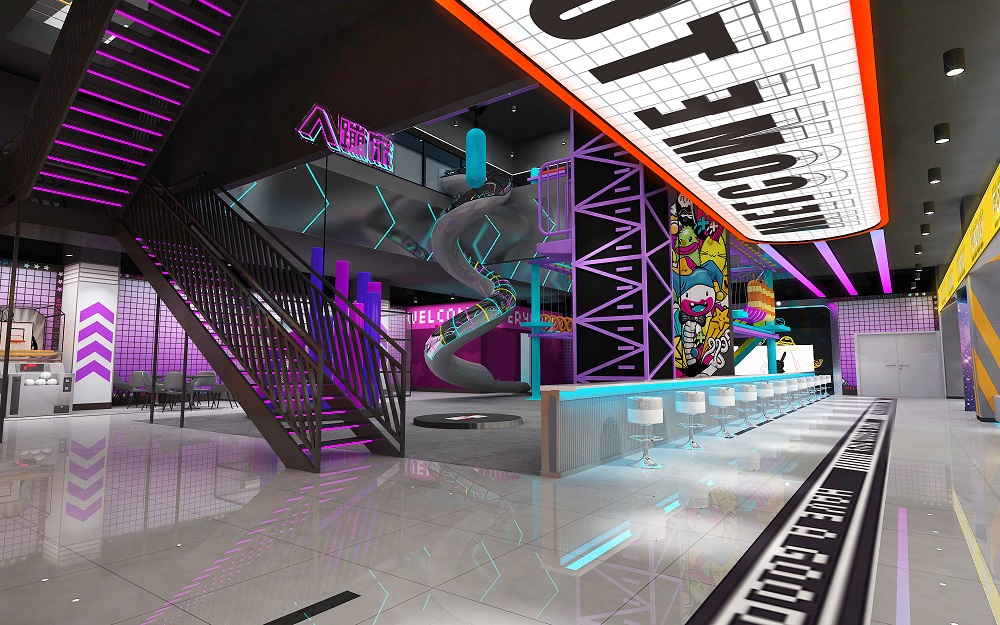
14. One-Stop Arcade Solution

We provide a complete one-stop solution including sports simulator supply, gameplay optimization guidance, layout planning, logistics, installation, and after-sales support. Our goal is to help clients create high-engagement competitive zones that maximize revenue and ROI.Sports simulators have become one of the most engaging attractions in modern arcades, family entertainment centers (FECs), and sports entertainment venues. Whether it’s basketball, football, baseball, golf, or racing-style sports games, these machines combine physical interaction with digital competition to create highly immersive experiences.  However, long-term success depends on more than technology alone. To maximize revenue and repeat visits, operators must focus on competitive gameplay design that keeps players motivated, challenged, and socially engaged.  1. Why Competitive Gameplay Increases Engagement  Competition naturally encourages players to stay longer and play more often.  Key benefits:  Higher replay value Increased social interaction Longer dwell time Stronger emotional investment  Players are more likely to return when they feel challenged or motivated to improve.  2. Designing Skill-Based Gameplay Loops  Skill progression is essential for sustained engagement.  Best practices:  Start with beginner-friendly difficulty Gradually increase challenge levels Reward accuracy, timing, and consistency  A balanced learning curve keeps both casual and advanced players interested.  3. Integrating Real-Time Leaderboards  Leaderboards create visible competition and encourage repeat play.  Benefits:  Motivates players to beat high scores Encourages social comparison Creates community engagement  Displaying rankings prominently increases participation and excitement.  4. Using Multiplayer and Team Modes  Sports are naturally social, making multiplayer features highly effective.  Popular formats:  1v1 competitions Team-based challenges Tournament modes  Group gameplay increases player interaction and overall spending.  5. Creating Short, High-Intensity Gameplay Sessions  Fast-paced sessions improve player flow and machine turnover.  Recommended structure:  30–90 second gameplay cycles Quick score feedback Instant replay opportunities  Short sessions encourage repeated attempts and maintain excitement.  6. Reward Systems That Encourage Repeat Play  Players respond strongly to progression and rewards.  Effective reward mechanics:  Achievement milestones Bonus rounds Progressive difficulty rewards Ticket or prize integration  Recognition and rewards increase retention and replay frequency.  7. Enhancing Spectator Appeal  Competitive gameplay should be entertaining to watch.  Key features:  Large score displays Dynamic sound effects Real-time gameplay animations  Spectator engagement attracts additional players and increases venue energy.  8. Strategic Zone Design for Competitive Energy  Machine placement affects the competitive atmosphere.  Best layout strategies:  Group sports simulators together Create open viewing areas Position machines in high-traffic zones  A dedicated sports zone amplifies excitement and social interaction.  9. Data-Driven Gameplay Optimization  Use performance data to improve engagement.  Key metrics:  Average play time Replay frequency Difficulty completion rates Revenue per machine  Adjust gameplay settings based on actual player behavior.  10. Integrating Seasonal and Event-Based Competitions  Events create urgency and repeat traffic.  Examples:  Weekly score challenges Seasonal tournaments Venue-wide sports competitions  Limited-time events encourage players to return frequently.  11. Maintenance and Gameplay Consistency  Reliable gameplay is essential for competitive integrity.  Best practices:  Regular sensor calibration Accurate scoring systems Stable software performance Quick technical support  Consistent performance builds player trust and satisfaction.  12. Revenue and ROI Benefits  Competitive gameplay design significantly improves profitability.  Typical outcomes:  Increased repeat visits Higher player spending Longer dwell time Faster ROI in high-traffic venues  Sports simulators become more than games—they become recurring social experiences.  13. Factory Strength & Production Capability(图片位置建议段落)  Our factory specializes in manufacturing advanced sports simulator machines, including basketball, football, baseball, golf, and interactive competition systems. With cutting-edge technology, durable construction, and OEM/ODM customization, we provide reliable solutions for global entertainment venues.  (此段落后可插入工厂图片)  14. One-Stop Arcade Solution(图片位置建议段落)  We provide a complete one-stop solution including sports simulator supply, gameplay optimization guidance, layout planning, logistics, installation, and after-sales support. Our goal is to help clients create high-engagement competitive zones that maximize revenue and ROI.  (此段落后可插入一站式图片)  Conclusion  Competitive gameplay design is one of the most effective ways to improve customer engagement with sports simulators. By combining skill progression, multiplayer interaction, leaderboards, and strategic layout design, operators can create immersive experiences that drive repeat play and long-term profitability.  For modern arcades and entertainment centers, sports simulators are not just attractions—they are powerful tools for building community, engagement, and sustainable revenue growth.


Conclusion

Competitive gameplay design is one of the most effective ways to improve customer engagement with sports simulators. By combining skill progression, multiplayer interaction, leaderboards, and strategic layout design, operators can create immersive experiences that drive repeat play and long-term profitability.

For modern arcades and entertainment centers, sports simulators are not just attractions—they are powerful tools for building community, engagement, and sustainable revenue growth.

Guangzhou Baoli Animation Technology Co., Ltd.

— BLEE 22 years focus on Arcade Turnkey Solution

SEND A MESSAGE

Just tell us your requirements, we can do more than you can imagine.

Scroll to Top