
Virtual Reality (VR) game machines are transforming modern arcades and family entertainment centers (FECs) by delivering highly immersive, premium experiences that traditional games cannot match. As player expectations shift toward interactive and memorable entertainment, VR has become a key driver of both engagement and revenue.
For operators, understanding how VR machines work—and how to optimize them—is essential for maximizing ROI.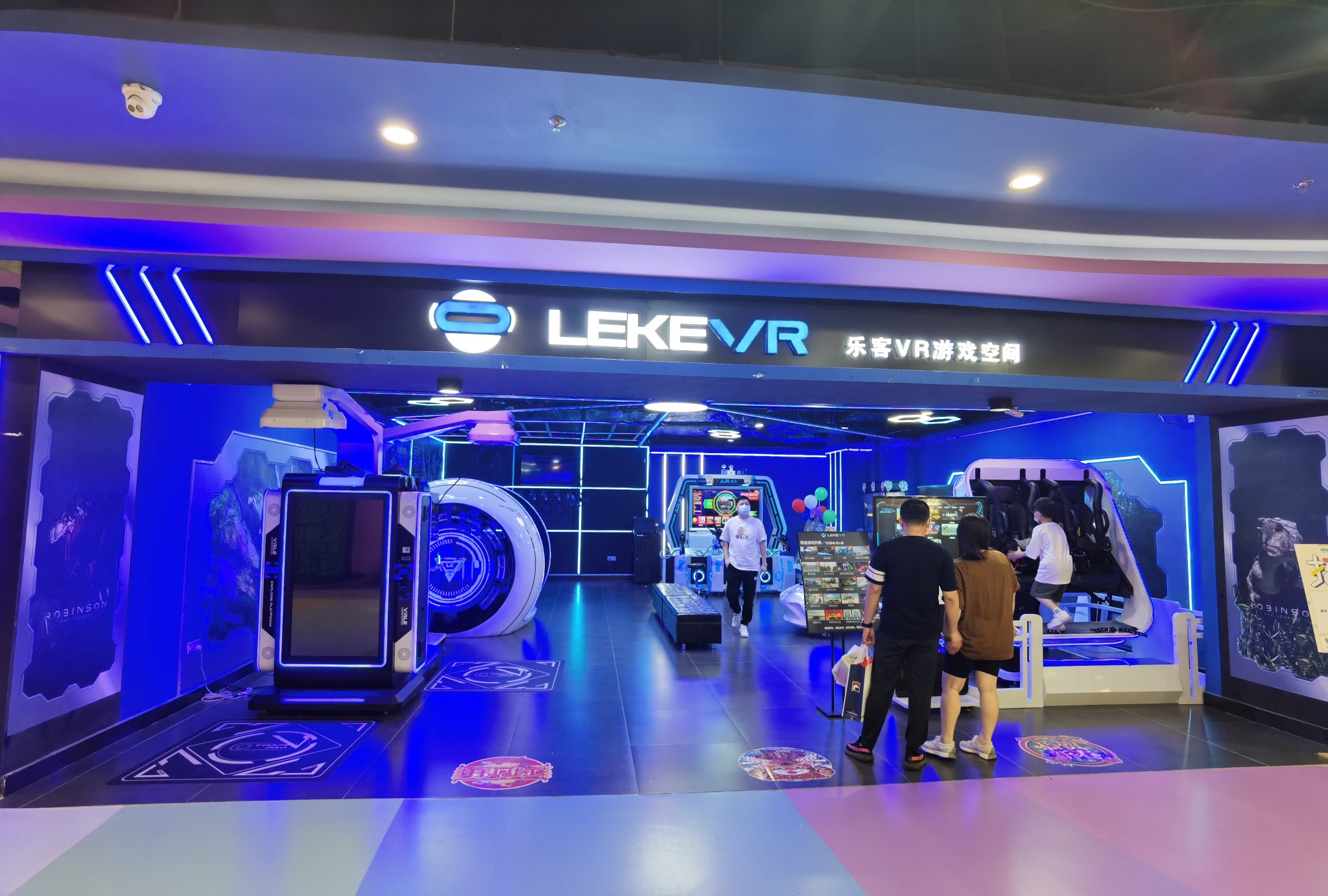
1. Why VR Game Machines Stand Out
VR machines offer a level of immersion that sets them apart from standard arcade equipment.
Key advantages:
- 360° interactive environments
- Strong sensory engagement (visual, audio, motion)
- Unique, experience-based gameplay
- High perceived value
These features allow operators to charge premium pricing while attracting a wide audience.
2. Creating True Immersion Through Technology
Immersion is the core of VR success.
Key components:
- High-resolution VR headsets
- Motion platforms and dynamic seats
- Real-time interaction tracking
- Spatial audio systems
The combination of these technologies creates a realistic and engaging experience that keeps players coming back.
3. High Replay Value Through Content Variety
Content is critical to long-term performance.
Best practices:
- Offer multiple game themes (racing, shooting, adventure, horror)
- Update content regularly
- Introduce seasonal or trending experiences
Variety ensures players always have something new to try.
4. Premium Pricing and Revenue Potential
VR experiences justify higher pricing compared to standard arcade games.
Typical pricing models:
- $5 – $10 per session
- Package deals for multiple experiences
- Group or multiplayer pricing
Higher ticket value significantly increases revenue per player.
5. Attracting Foot Traffic with Visual Impact
VR machines are highly visible and act as “anchor attractions.”
Attraction factors:
- Players wearing VR headsets
- Motion platforms in action
- Large, futuristic machine designs
These elements naturally draw attention and increase walk-in traffic.
6. Enhancing Social and Group Experiences
Although VR is immersive, it can also be social.
Strategies:
- Multiplayer VR games
- Shared experiences (co-op missions)
- Spectator screens for audience engagement
Social interaction increases dwell time and repeat visits.
7. Strategic Placement for Maximum Performance
Placement significantly affects ROI.
Best locations:
- Arcade entrances
- Central attraction zones
- Near high-traffic pathways
High visibility ensures maximum exposure and usage.
8. Maintenance and Operational Efficiency
VR machines require proper management to maintain performance.
Key practices:
- Regular cleaning of headsets
- Software updates
- Hardware calibration
- Staff training for assistance
Reliable operation ensures a smooth customer experience.
9. Integrating VR with Other Arcade Attractions
VR machines perform best as part of a balanced game mix.
Complementary machines:
- Racing simulators
- Sports arcade games
- Redemption machines
A diversified offering increases overall revenue and engagement.
10. Data-Driven Optimization
Tracking performance helps maximize ROI.
Key metrics:
- Revenue per machine
- Session frequency
- Popular game types
- Customer feedback
Operators can adjust pricing, content, and placement based on data insights.
11. ROI and Business Impact
VR machines deliver strong financial results when properly managed.
Typical outcomes:
- Higher revenue per play
- Increased customer attraction
- ROI within 4–8 months in high-traffic locations
Their premium nature makes them a valuable investment for modern arcades.
12. Factory Strength & Production Capability
Our factory specializes in manufacturing advanced VR game machines, including motion simulators, multi-player VR platforms, and immersive experience systems. With cutting-edge technology and strict quality control, we provide reliable and high-performance solutions for global clients.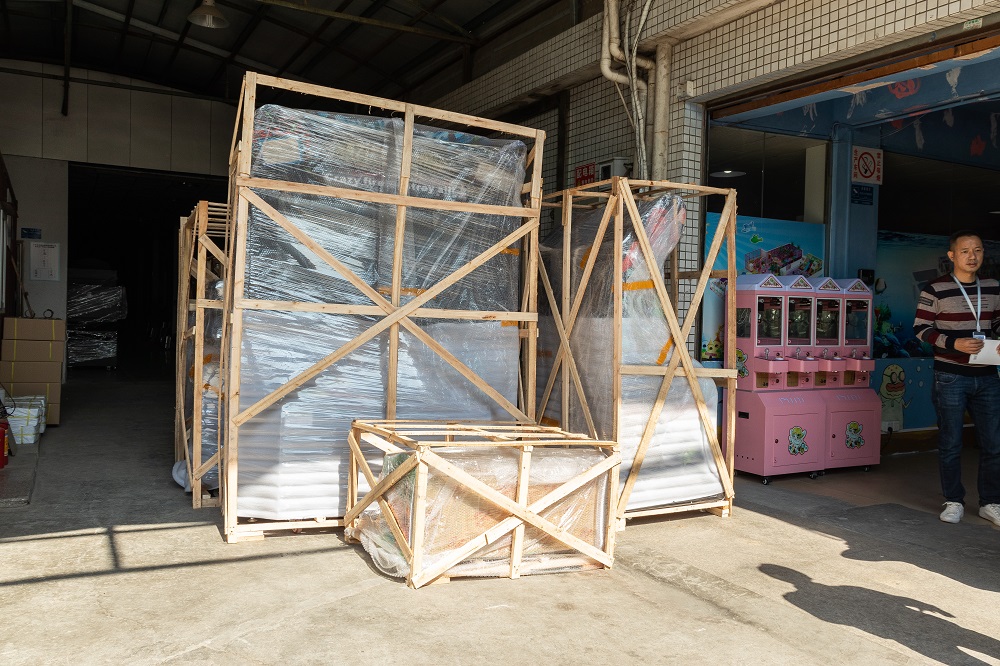
13. One-Stop Arcade Solution
We offer a complete one-stop solution including VR machine supply, content integration, layout planning, logistics, installation, and after-sales support. Our goal is to help clients build immersive entertainment spaces that maximize revenue and ROI.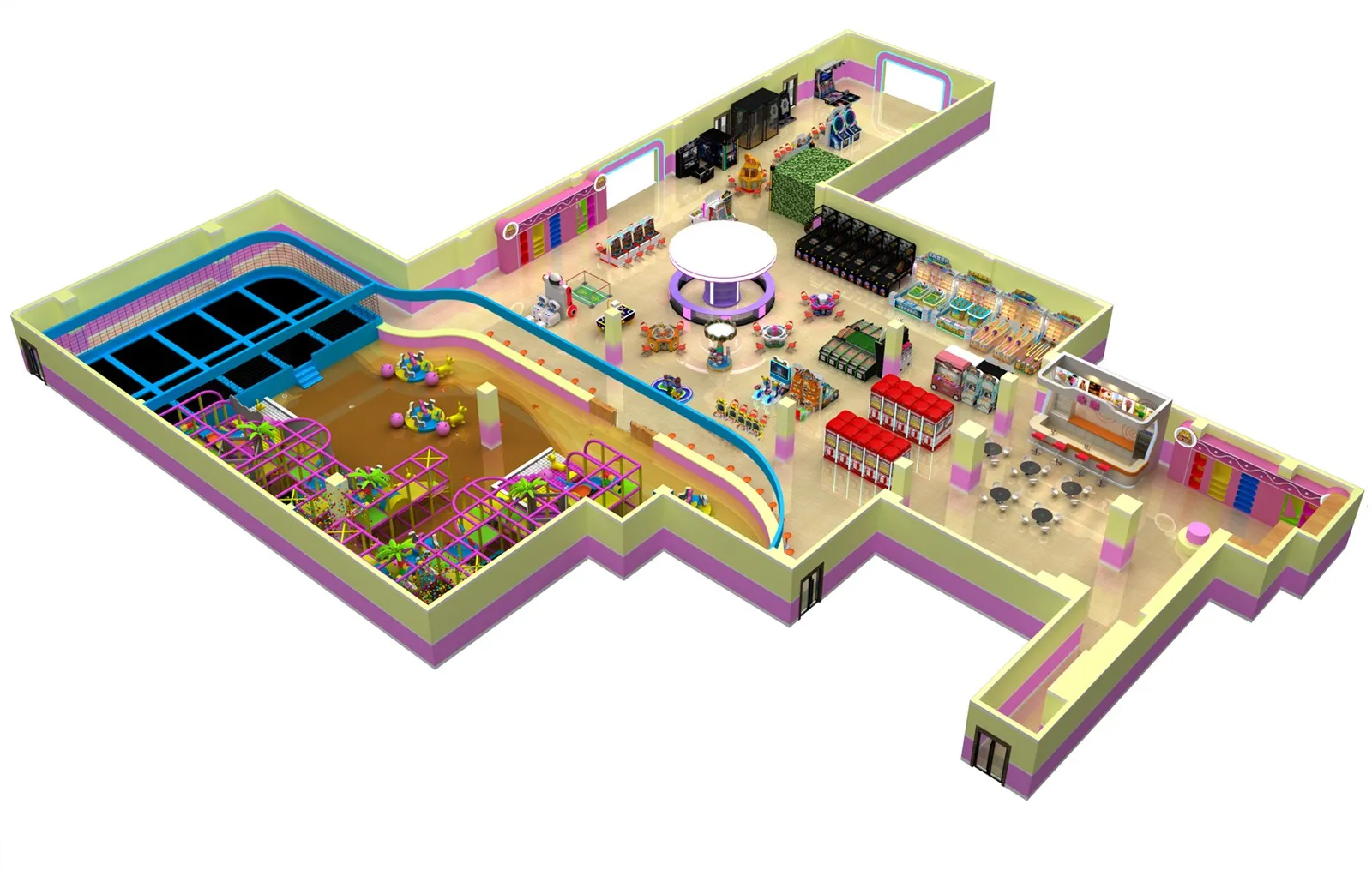
Conclusion
VR game machines are redefining the arcade experience by delivering immersive, high-value entertainment that drives both engagement and revenue. By focusing on technology, content, placement, and operational efficiency, operators can fully unlock their potential.
For arcades looking to stand out in a competitive market, VR is not just an upgrade—it is a strategic investment in the future of entertainment.