
Introduction
Sports simulators are rapidly becoming one of the most popular attractions in family entertainment centers (FECs), sports bars, shopping malls, resorts, amusement venues, and indoor recreation facilities. By combining advanced motion tracking technology, realistic gameplay, and competitive challenges, sports simulators allow players to experience their favorite sports in an exciting and immersive environment.
From golf and football to baseball, soccer, basketball, and multi-sport experiences, sports simulators appeal to a wide range of customers, including families, casual players, sports enthusiasts, and corporate groups. When properly integrated into a venue, they can significantly increase visitor traffic, customer engagement, dwell time, and overall revenue performance.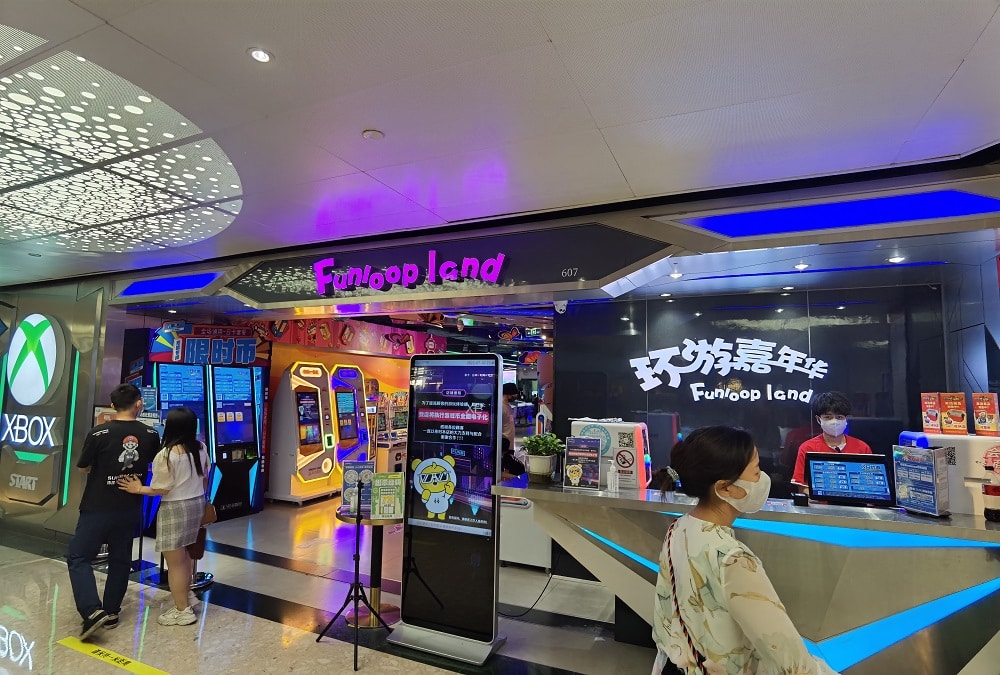
1. Why Sports Simulators Are Growing in Popularity
Modern consumers increasingly seek active and interactive entertainment experiences.
Key advantages:
- Immersive gameplay
- Realistic sports simulation
- Broad demographic appeal
- Year-round operation
- Strong replay value
Sports simulators provide the excitement of real sports without the limitations of weather, space, or skill level.
2. Delivering Realistic Sports Experiences
Advanced technology helps recreate authentic sports environments.
Common simulator features:
- Motion tracking systems
- High-definition displays
- Real-time performance feedback
- Precision sensors
- Interactive scoring systems
These technologies create immersive experiences that keep players engaged.
3. Appealing to Both Beginners and Experienced Players
Sports simulators are designed to accommodate various skill levels.
Benefits for beginners:
- Easy-to-learn gameplay
- Practice opportunities
- Lower participation barriers
Benefits for experienced players:
- Performance analysis
- Competitive challenges
- Skill improvement tracking
This flexibility broadens the attraction’s customer base.
4. Encouraging Friendly Competition
Competition is a major driver of customer engagement.
Popular competitive formats:
- Head-to-head matches
- Team challenges
- Leaderboards
- Seasonal tournaments
- Skill contests
Competitive gameplay encourages repeat visits and longer play sessions.
5. Creating Social Entertainment Experiences
Sports are naturally social activities.
Social engagement benefits:
- Group participation
- Family challenges
- Corporate team-building events
- Spectator involvement
Shared experiences help create memorable visits and strengthen customer loyalty.
6. Attracting Diverse Customer Groups
Sports simulators appeal to multiple demographics.
Key audiences:
- Families
- Teenagers
- Young adults
- Corporate groups
- Sports enthusiasts
This broad appeal helps maximize venue utilization throughout the day.
7. Increasing Customer Dwell Time
Interactive attractions encourage visitors to stay longer.
Business benefits:
- Increased spending opportunities
- Greater participation in other attractions
- Higher food and beverage sales
- Improved overall customer satisfaction
Longer visits often result in stronger overall revenue performance.
8. Designing Dedicated Sports Simulator Zones
A dedicated simulator area enhances visibility and customer experience.
Best practices:
- Create open play spaces
- Provide spectator seating
- Use sports-themed décor
- Maintain clear customer flow
A well-designed sports zone can become a major attraction within the venue.
9. Offering Multi-Sport Experiences
Versatility helps maximize equipment utilization.
Popular sports options:
- Golf simulation
- Football simulation
- Baseball simulation
- Soccer simulation
- Basketball challenges
Multi-sport systems allow venues to appeal to a wider audience while reducing equipment investment costs.
10. Leveraging Technology for Better Operations
Modern simulator systems provide valuable management tools.
Common features:
- Cashless payment integration
- Membership programs
- Performance tracking
- Remote monitoring systems
Technology improves both customer convenience and operational efficiency.
11. Maintaining Equipment Reliability
Consistent performance is essential for customer satisfaction.
Maintenance priorities:
- Sensor calibration
- Display inspections
- Software updates
- Motion tracking verification
Reliable operation supports repeat visitation and positive customer experiences.
12. Revenue and ROI Benefits
Sports simulators can generate strong returns when properly managed.
Typical outcomes:
- Increased visitor traffic
- Higher customer engagement
- Improved repeat visitation
- Enhanced venue differentiation
- ROI within 6–12 months depending on venue traffic and simulator type
Their combination of technology, competition, and social interaction makes sports simulators a valuable long-term investment.
13. Factory Strength & Production Capability
Our factory specializes in manufacturing sports simulators, interactive sports game machines, digital training systems, and immersive entertainment equipment. With advanced production facilities, strict quality control standards, and OEM/ODM support, we provide reliable solutions for entertainment venues worldwide.
14. One-Stop Sports Simulator Solution
We provide a complete one-stop solution including sports simulator supply, venue planning, attraction design, logistics, installation, technical training, and after-sales support. Our goal is to help clients create engaging sports entertainment environments that maximize visitor participation and long-term profitability.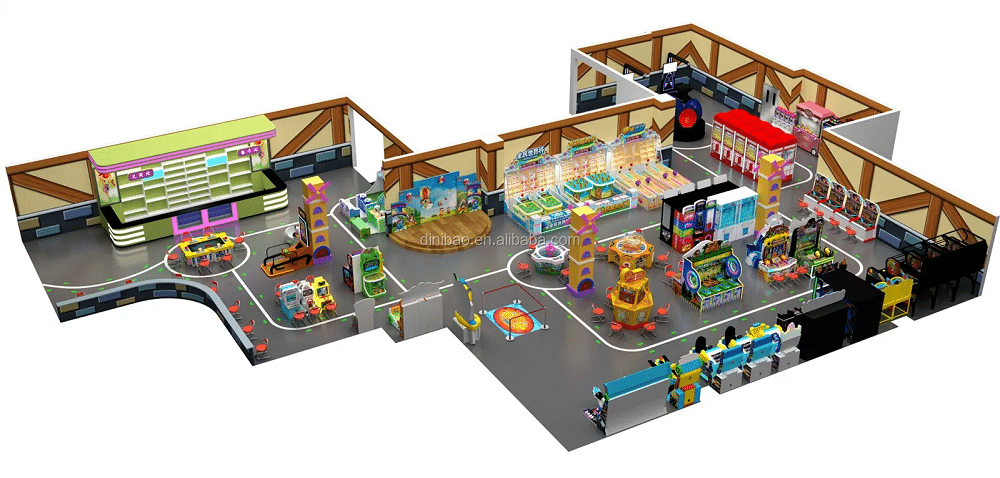
Conclusion
Sports simulators create interactive entertainment experiences by combining realistic gameplay, advanced technology, and competitive challenges. Through strategic venue planning, engaging content, and reliable operation, operators can attract more visitors, increase customer engagement, and generate sustainable revenue growth.
For family entertainment centers, sports venues, resorts, and modern recreation facilities, sports simulators remain one of the most effective investments for delivering immersive experiences and staying competitive in the evolving entertainment industry.