
Vending machines have evolved far beyond traditional snack and beverage distribution. In modern retail environments, entertainment venues, shopping malls, family entertainment centers (FECs), airports, and commercial spaces, vending machines have become valuable tools for improving convenience and generating additional revenue.
However, long-term success depends on more than installing machines in available space. A smarter vending machine strategy combines optimized product mix, strategic location planning, customer behavior analysis, and operational efficiency to maximize sales performance and long-term profitability.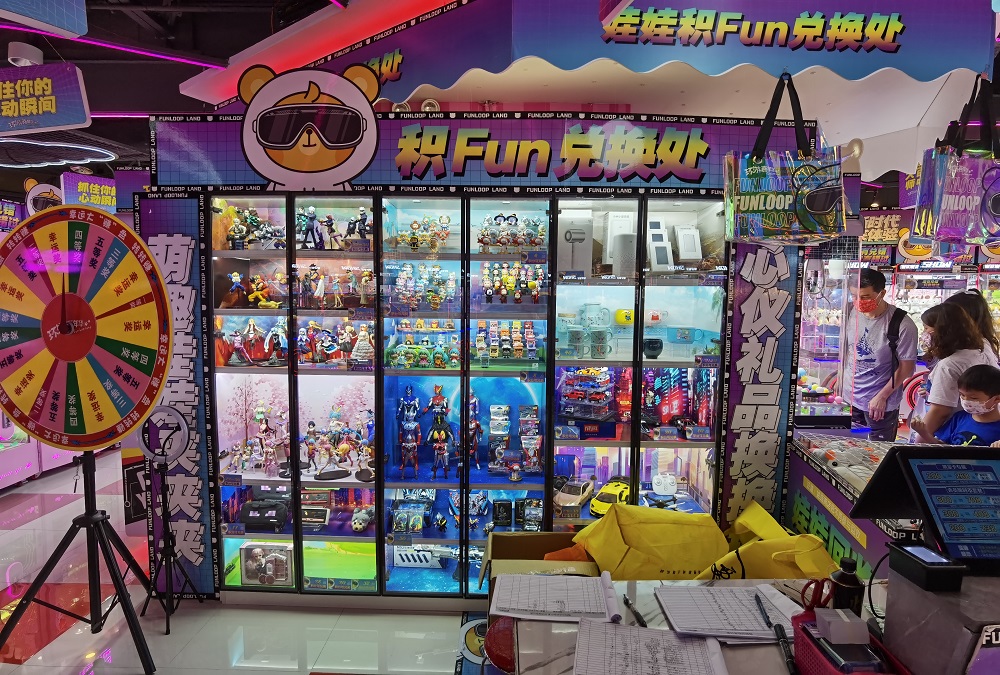
1. Why Strategy Matters More Than Machine Quantity
Adding more vending machines does not automatically increase revenue.
Benefits of strategic planning:
- Higher sales per location
- Improved inventory efficiency
- Better customer convenience
- Increased return on investment
A focused strategy ensures every machine contributes to overall business performance.
2. Building the Right Product Mix
Product selection is one of the strongest drivers of vending success.
Recommended product categories:
- Snacks and beverages
- Collectibles and capsule products
- Convenience items
- Merchandise and souvenirs
- Seasonal and promotional products
A diversified product mix attracts broader customer demand.
3. Matching Products to Customer Behavior
Different locations require different merchandising approaches.
Entertainment venues:
- Drinks and quick-consumption items
- Toys and collectible products
- Event-related merchandise
Retail and commercial spaces:
- Daily convenience products
- Trend products
- Premium impulse items
Customer-focused planning improves purchase conversion.
4. Choosing Locations That Maximize Visibility
Placement directly influences machine performance.
Best locations:
- Venue entrances and exits
- Waiting areas
- High-traffic corridors
- Adjacent to entertainment attractions
Visibility increases convenience and encourages impulse purchases.
5. Designing Machine Clusters for Higher Sales
Grouping machines can improve overall results.
Effective strategies:
- Combine complementary products
- Create self-service retail corners
- Separate premium and convenience categories
- Build themed vending zones
Cluster planning increases customer interaction.
6. Optimizing Customer Flow Around Vending Areas
Customer movement affects purchasing behavior.
Best practices:
- Avoid congestion points
- Maintain clear access paths
- Position machines along natural routes
- Leave space for browsing and waiting
Efficient layouts improve usability and conversion.
7. Improving Visual Merchandising and Display
Presentation strongly influences purchasing decisions.
Recommended enhancements:
- Clear product visibility
- Digital promotional displays
- Organized product arrangement
- Highlighted premium products
Strong merchandising increases transaction frequency.
8. Integrating Smart Payment and Digital Features
Convenience drives higher purchase rates.
Popular upgrades:
- QR and contactless payments
- Membership integration
- Mobile purchasing functions
- Digital inventory monitoring
Modern technology improves both customer experience and operations.
9. Using Data to Refine Product Strategy
Performance data helps optimize results.
Track important metrics:
- Product sales by category
- Inventory turnover
- Peak purchase periods
- Customer preferences
Data-driven adjustments improve long-term profitability.
10. Rotating Products to Maintain Customer Interest
Fresh offerings encourage repeat purchases.
Best practices:
- Introduce seasonal products
- Remove underperforming items
- Launch promotional collections
- Test new product categories regularly
Continuous optimization supports sustained growth.
11. Maintenance and Operational Reliability
Reliable operation protects customer satisfaction.
Key maintenance priorities:
- Payment system checks
- Inventory management
- Machine cleanliness
- Routine technical support
Consistent operation supports stable revenue performance.
12. Revenue and ROI Benefits
A well-planned vending strategy delivers measurable business value.
Typical outcomes:
- Increased secondary revenue
- Improved space efficiency
- Higher transaction rates
- Lower operational costs
- ROI within 4–10 months depending on product and location strategy
Strategic vending programs create scalable growth opportunities.
13. Factory Strength & Production Capability
Our factory specializes in manufacturing smart vending machines, capsule vending systems, and customized self-service retail equipment. With advanced production capabilities and OEM/ODM support, we provide reliable automated retail solutions for global entertainment and commercial projects.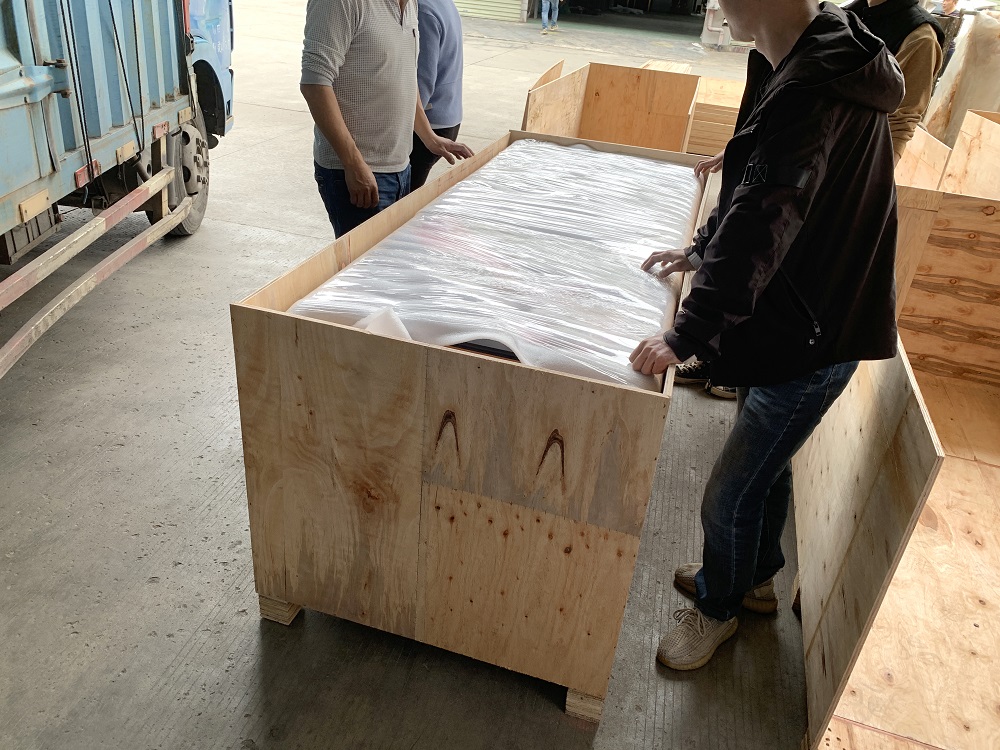
14. One-Stop Smart Vending Solution
We provide a complete one-stop solution including vending machine supply, product mix consultation, location planning, logistics, installation, and after-sales support. Our goal is to help clients build smarter vending systems that maximize customer convenience and long-term revenue growth.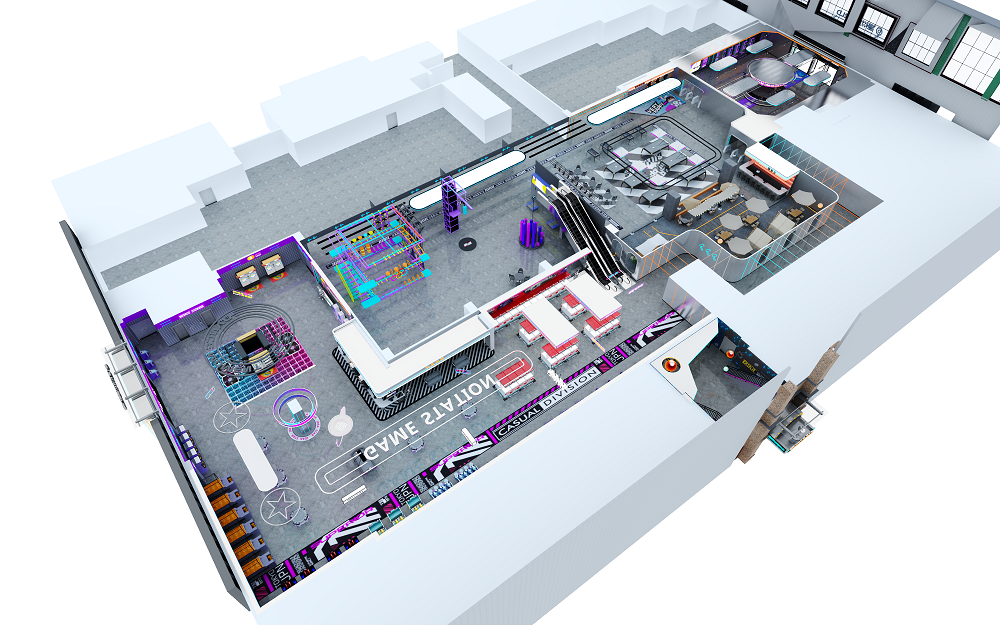
Conclusion
Designing a smarter vending machine strategy requires balancing product mix, customer demand, location planning, and operational efficiency. By creating convenient and attractive self-service experiences, operators can improve customer satisfaction while building stronger and more sustainable revenue streams.
For modern retail and entertainment spaces, strategic vending machine deployment remains one of the most effective investments for long-term business growth.