
Racing simulator zones have become one of the most attractive and profitable features in modern arcades and family entertainment centers (FECs). By combining immersive driving experiences with real-time competition, racing simulators create high-energy environments that encourage repeat play, longer dwell time, and increased customer spending.
To maximize results, operators must carefully design the racing area with the right combination of machine selection, layout planning, multiplayer interaction, and competitive gameplay strategy.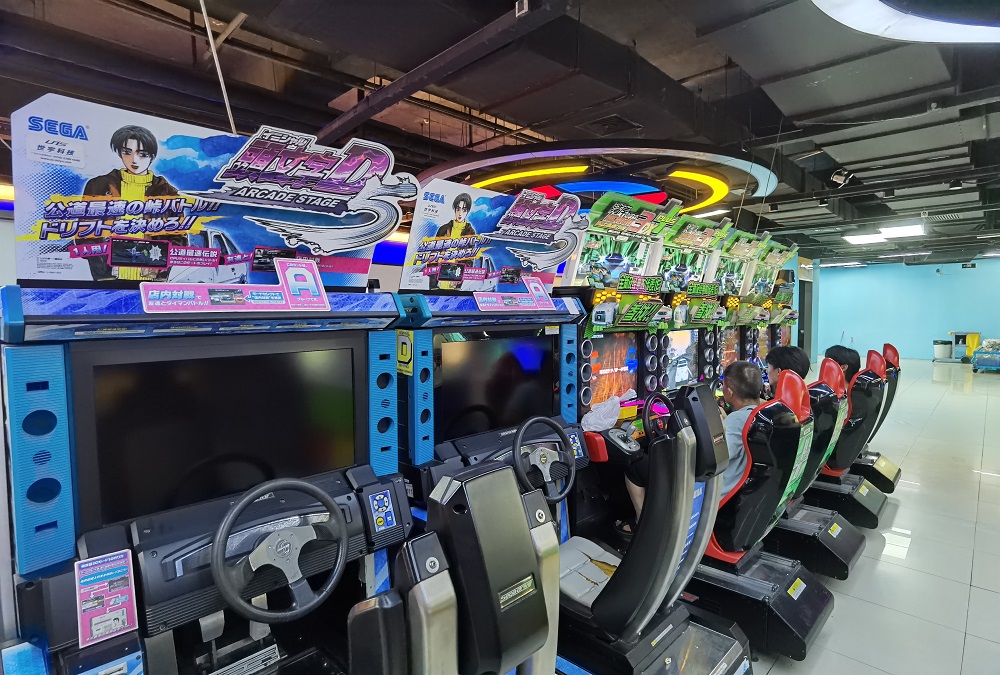
1. Why Racing Simulator Zones Are Popular
Racing simulators appeal to a broad audience because they combine speed, skill, and immersion.
Key advantages:
- High replay value
- Strong visual impact
- Competitive social gameplay
- Premium entertainment experience
These features make racing zones major traffic drivers in entertainment venues.
2. Selecting the Right Racing Simulator Machines
Machine quality directly affects player engagement.
Popular simulator types:
- Car racing simulators
- Motorcycle racing machines
- Motion racing platforms
- Multiplayer linked racing systems
Choosing modern, immersive equipment improves attraction and long-term retention.
3. Designing an Effective Racing Zone Layout
A well-planned layout improves both player flow and spectator engagement.
Best practices:
- Arrange simulators side-by-side for competition
- Leave enough space for player comfort
- Create visible spectator areas
- Use open layouts for better traffic flow
Proper spacing enhances immersion and operational efficiency.
4. Creating Competitive Multiplayer Experiences
Competition is the core of racing simulator success.
Key features:
- Linked multiplayer racing
- Real-time rankings and leaderboards
- Tournament modes
- Team-based competitions
Competitive gameplay significantly increases replay frequency.
5. Using Lighting and Visual Design for Maximum Impact
Visual presentation is essential in attracting players.
Effective design elements:
- LED lighting systems
- Racing-themed decorations
- Large HD displays
- Dynamic motion and visual effects
A visually exciting environment increases machine visibility and venue energy.
6. Enhancing Immersion Through Technology
Immersion creates stronger emotional engagement.
Important features:
- Force-feedback steering wheels
- Motion seats and vibration systems
- Realistic sound effects
- High-speed graphics rendering
The more realistic the experience feels, the more players are willing to replay.
7. Optimizing Gameplay Duration and Flow
Efficient gameplay cycles improve profitability.
Recommended structure:
- 3–5 minute races
- Quick restart and matchmaking systems
- Multiple track options
Fast gameplay turnover increases machine usage during peak hours.
8. Building Spectator Appeal
Racing games naturally attract audiences.
Ways to increase spectator engagement:
- External gameplay displays
- Live ranking screens
- Exciting lighting and sound effects
Spectators often become active participants, boosting overall zone activity.
9. Integrating Tournament and Event Systems
Events help maintain long-term customer interest.
Popular formats:
- Weekly racing tournaments
- Time attack competitions
- Seasonal championship events
Competitive events encourage repeat visits and community engagement.
10. Strategic Placement Within the Venue
Placement strongly affects zone performance.
Best locations:
- Near entrances
- Central entertainment areas
- Adjacent to sports or VR zones
High visibility helps attract spontaneous participation.
11. Maintenance and Operational Reliability
Reliable machines are essential for customer satisfaction.
Best practices:
- Regular steering and pedal calibration
- Monitor motion system performance
- Maintain clean seating and controls
- Update software regularly
Well-maintained simulators provide smoother gameplay and better player retention.
12. Revenue and ROI Potential
Competitive racing simulator zones deliver strong financial performance.
Typical benefits:
- Higher premium spending
- Longer dwell time
- Increased repeat visits
- ROI within 4–8 months in busy venues
Their immersive and competitive nature makes them one of the most profitable arcade attractions.
13. Factory Strength & Production Capability
Our factory specializes in manufacturing advanced racing simulator machines, including multiplayer racing systems, motion simulators, and immersive driving platforms. With strict quality control and OEM/ODM customization, we provide reliable solutions for global entertainment venues.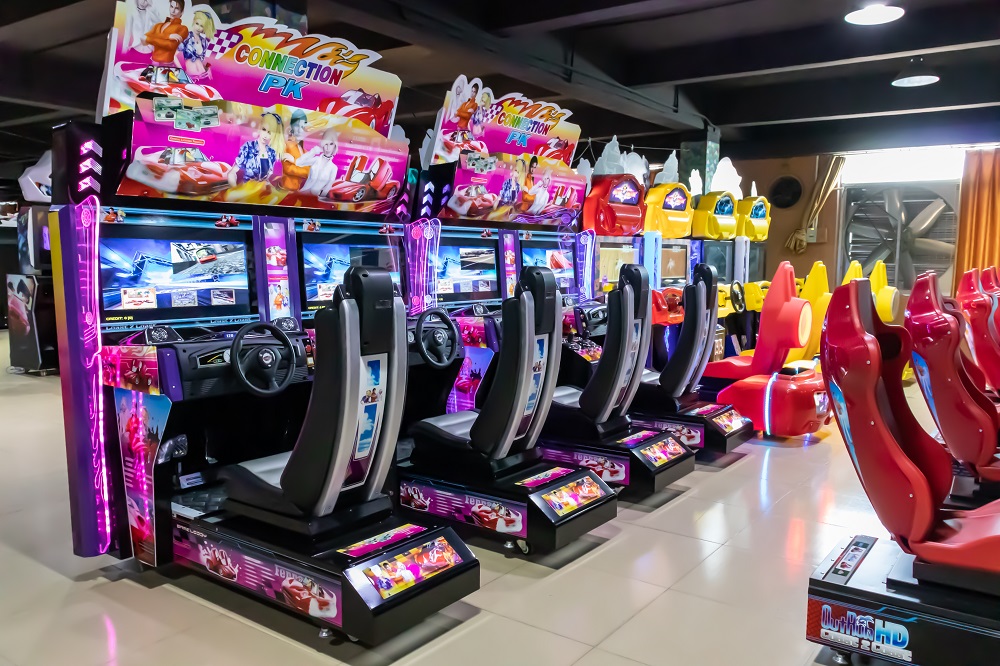
14. One-Stop Arcade Solution
We provide a complete one-stop solution including racing simulator supply, zone planning, competitive gameplay strategy, logistics, installation, and after-sales support. Our goal is to help clients build high-performance racing zones that maximize engagement and revenue.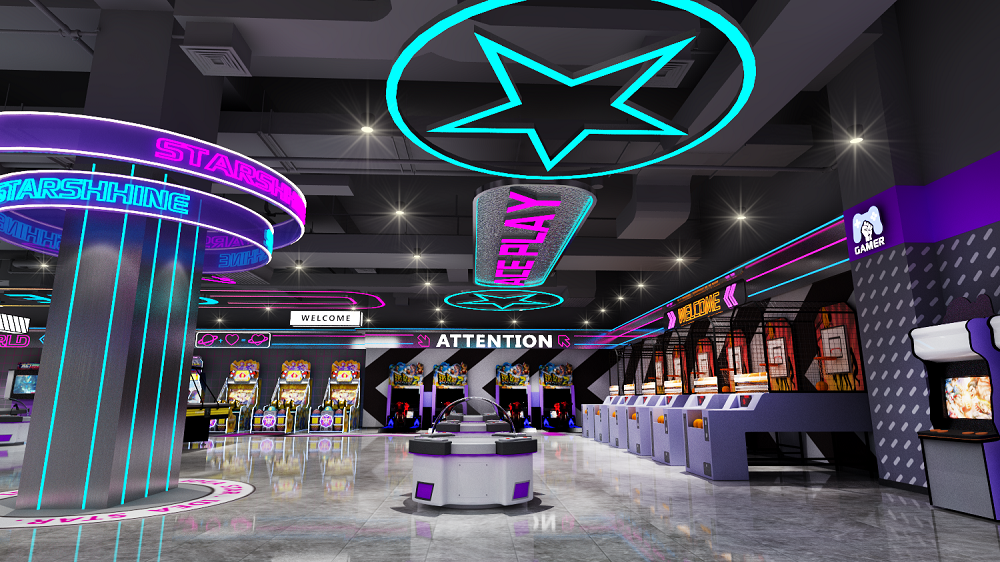
Conclusion
Creating a competitive racing simulator zone requires more than simply installing machines. By focusing on immersive technology, multiplayer interaction, layout optimization, and competitive event design, operators can build exciting entertainment spaces that drive player engagement and long-term profitability.
For modern arcades and FECs, racing simulator zones are powerful attractions that combine social interaction, immersive gameplay, and premium revenue opportunities.