
Smart vending machines are becoming an increasingly important part of modern entertainment venues and retail environments. From arcades and family entertainment centers (FECs) to shopping malls, cinemas, airports, and commercial spaces, intelligent vending solutions help operators improve convenience, create additional revenue streams, and enhance customer experiences.
Unlike traditional vending systems, smart vending machines combine automated retail technology, digital payment capabilities, data management, and flexible product merchandising. With the right strategy, operators can increase customer spending, improve operational efficiency, and generate long-term profitability.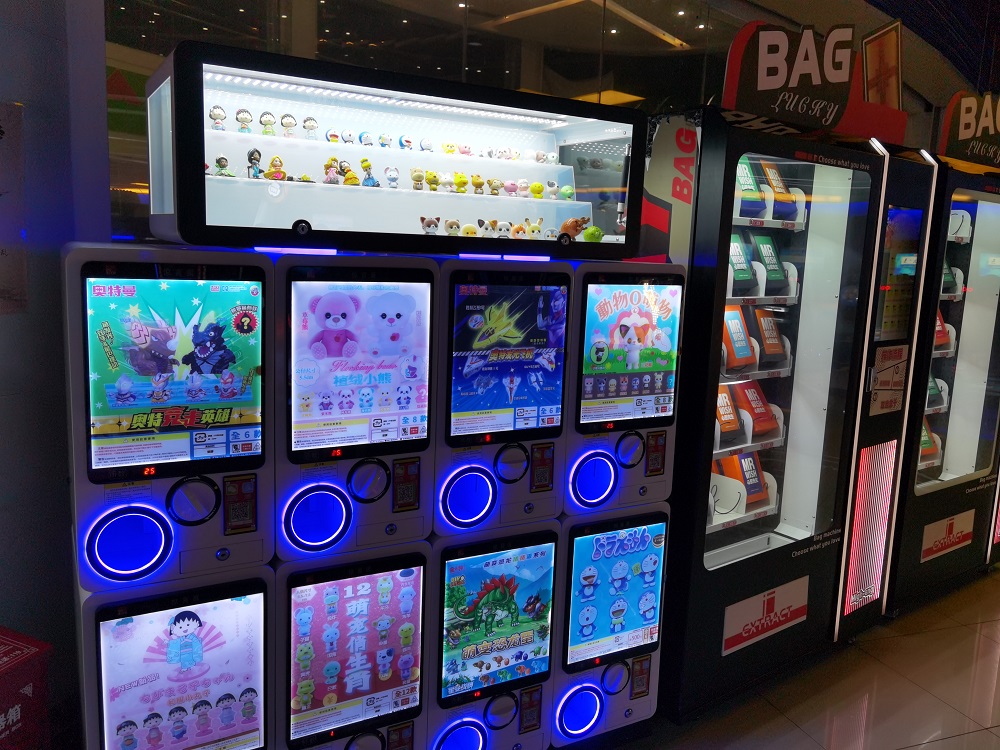
1. Why Smart Vending Machines Are Growing in Modern Venues
Customer expectations continue to shift toward faster and more convenient purchasing experiences.
Key advantages:
- Self-service convenience
- Reduced staffing requirements
- Extended operating hours
- Improved space utilization
Smart vending creates additional revenue opportunities without significantly increasing labor costs.
2. Defining Clear Business Objectives
A successful vending strategy begins with understanding operational goals.
Common objectives include:
- Increasing secondary revenue
- Improving customer convenience
- Supporting impulse purchases
- Expanding product accessibility
Clear goals help determine machine type and product planning.
3. Selecting the Right Smart Vending Machine Mix
Machine selection directly influences performance.
Recommended vending categories:
- Snack and beverage vending machines
- Capsule toy vending machines
- Merchandise vending machines
- Self-service retail cabinets
- Interactive smart retail machines
A diversified machine lineup supports broader customer demand.
4. Matching Product Categories to Customer Behavior
Product strategy is essential for maximizing sales.
Entertainment venues:
- Drinks and quick snacks
- Toys and collectibles
- Event merchandise
Retail spaces:
- Daily convenience products
- Trend products
- Seasonal merchandise
Customer-focused product selection improves conversion rates.
5. Strategic Placement Increases Revenue Potential
Placement significantly affects vending performance.
Best locations:
- Entrance and exit areas
- Waiting zones
- High-traffic corridors
- Adjacent to entertainment attractions
Visible placement encourages impulse purchases and convenience spending.
6. Designing Attractive Product Displays
Presentation influences customer purchasing decisions.
Best practices:
- Use clear product visibility
- Highlight premium products
- Maintain organized displays
- Use digital promotional screens
Strong visual merchandising increases purchase conversion.
7. Integrating Cashless and Smart Payment Systems
Convenient payments improve customer satisfaction.
Recommended technologies:
- QR payments
- Contactless payments
- Membership integration
- Mobile purchasing systems
Modern payment experiences reduce friction and increase sales.
8. Using Data to Improve Vending Performance
Smart systems generate valuable operational insights.
Track important indicators:
- Sales by product category
- Peak usage periods
- Inventory turnover
- Customer purchasing patterns
Data-driven decisions improve efficiency and profitability.
9. Managing Inventory and Product Rotation
Fresh inventory supports repeat purchases.
Best practices:
- Monitor stock levels in real time
- Rotate seasonal products
- Remove slow-moving inventory
- Introduce promotional products regularly
Effective inventory management improves revenue performance.
10. Integrating Vending Machines into Entertainment Ecosystems
Smart vending performs better when integrated with surrounding attractions.
Recommended nearby areas:
- Arcade game zones
- Redemption counters
- VR entertainment zones
- Family waiting spaces
Integrated placement increases customer movement and spending opportunities.
11. Maintenance and Operational Reliability
Reliable machines protect customer experience.
Maintenance priorities:
- Regular system diagnostics
- Payment system checks
- Inventory monitoring
- Fast technical response
Consistent operation supports customer trust and stable revenue.
12. Revenue and ROI Benefits
Well-planned smart vending strategies deliver strong business outcomes.
Typical results:
- Increased secondary revenue
- Higher customer convenience
- Better space efficiency
- Lower operational costs
- ROI within 4–10 months depending on location and product strategy
Smart vending has become an effective growth tool for modern entertainment and retail operators.
13. Factory Strength & Production Capability
Our factory specializes in manufacturing smart vending machines, self-service retail systems, capsule vending equipment, and customized automated retail solutions. With advanced production capability and OEM/ODM support, we provide reliable vending solutions for global entertainment and retail projects.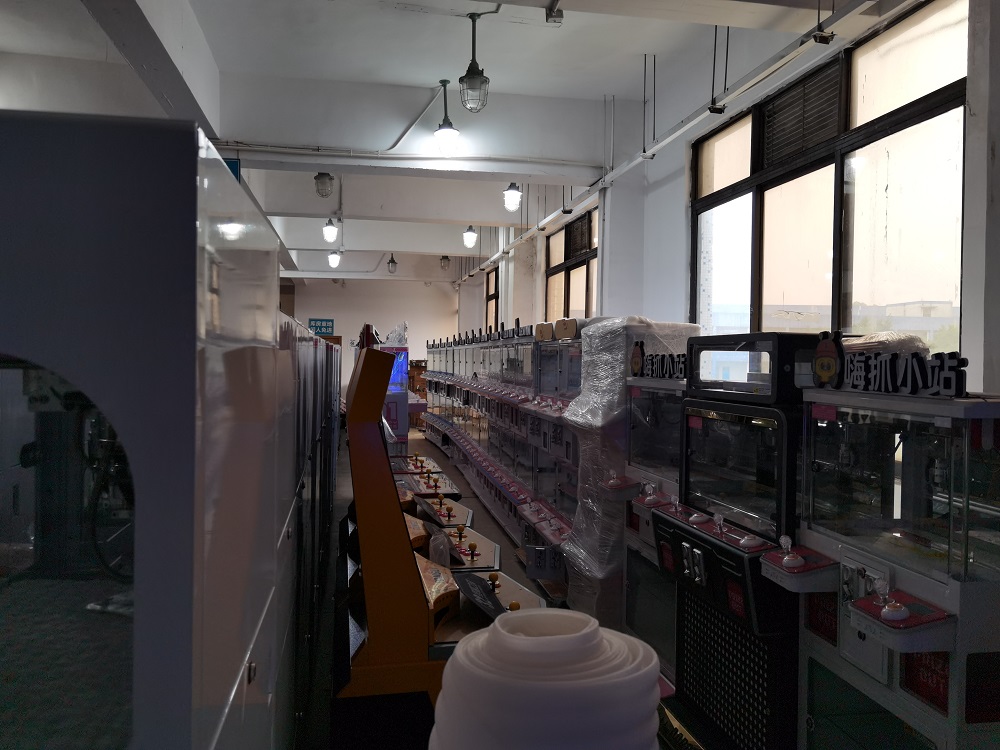
14. One-Stop Smart Vending Solution
We provide a complete one-stop solution including vending machine supply, product planning, layout strategy, logistics, installation, and after-sales support. Our goal is to help clients build profitable and efficient vending ecosystems for entertainment and retail spaces.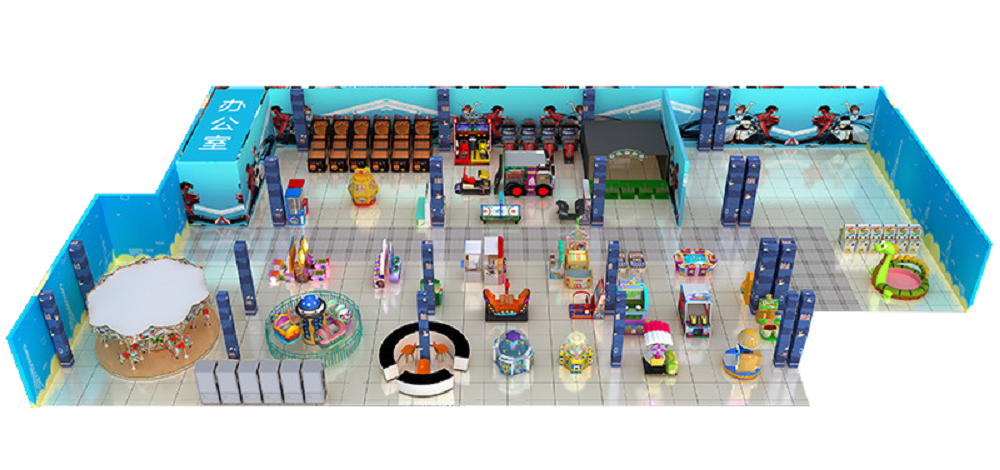
Conclusion
Building a smart vending machine strategy requires more than selecting equipment. Through optimized placement, targeted product planning, digital payment integration, and operational analysis, operators can create convenient purchasing experiences and sustainable revenue growth.
For modern entertainment venues and retail environments, smart vending machines remain one of the most efficient investments for increasing customer value and improving long-term profitability.