
Introduction
Racing simulators have become one of the most popular attractions in modern arcades, family entertainment centers (FECs), shopping malls, gaming lounges, and entertainment venues. By combining advanced driving technology, immersive visuals, realistic controls, and competitive gameplay, racing simulators offer experiences that closely replicate real-world motorsports.
As consumers increasingly seek interactive and immersive entertainment, racing simulators provide a unique opportunity for venue operators to attract new customers, increase dwell time, and encourage repeat play. When strategically integrated into an entertainment venue, these attractions can become powerful traffic generators and reliable revenue contributors.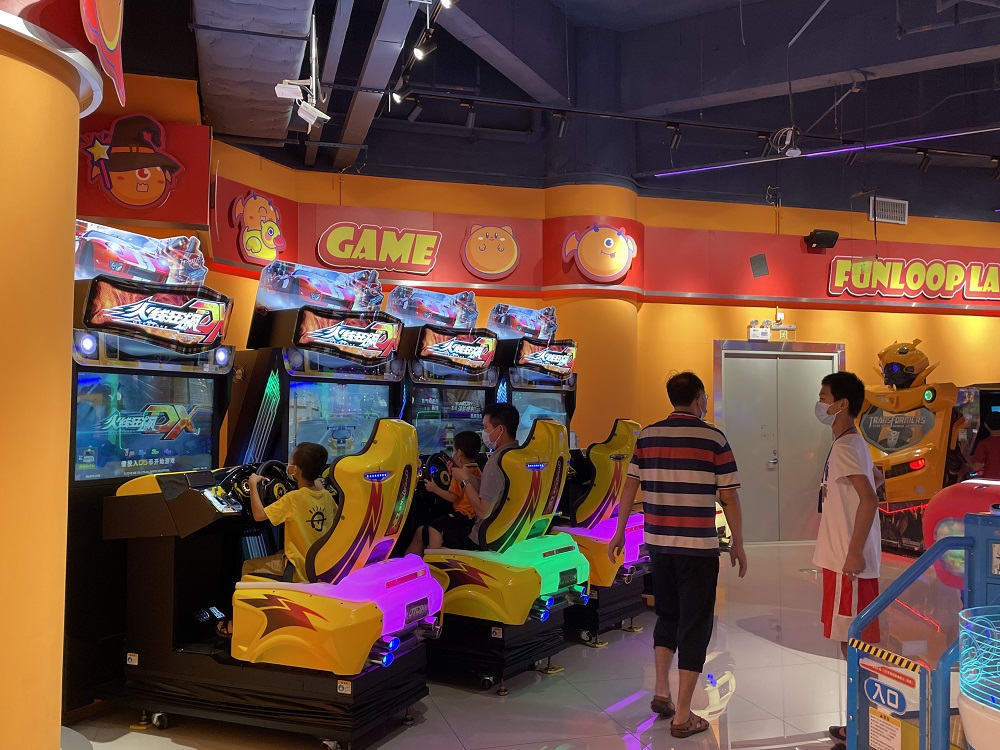
1. Why Racing Simulators Continue to Grow in Popularity
Modern players are looking for experiences that go beyond traditional arcade gameplay.
Key advantages:
- Realistic driving sensations
- Competitive multiplayer experiences
- Strong replay value
- Broad age-group appeal
- Spectator-friendly gameplay
The combination of realism and excitement makes racing simulators attractive to both casual players and automotive enthusiasts.
2. Creating Realistic Driving Through Advanced Controls
Authentic control systems are essential for immersion.
Common simulator features:
- Precision steering wheels
- Responsive pedals
- Gear shifting systems
- Force feedback technology
- Adjustable driving positions
These elements help players feel connected to the virtual vehicle and road environment.
3. Enhancing Immersion with High-Definition Visuals
Visual realism plays a major role in player engagement.
Modern display technologies include:
- Large-format HD screens
- Multi-screen racing setups
- Curved displays
- Real-time environmental effects
Detailed graphics help recreate the excitement of professional racing.
4. Using Motion Systems to Simulate Real Driving Conditions
Many advanced racing simulators incorporate physical movement.
Popular motion effects:
- Acceleration simulation
- Braking feedback
- Cornering movement
- Road surface vibration
Motion synchronization creates a more convincing and memorable driving experience.
5. Encouraging Competition Through Multiplayer Racing
Competition significantly increases player engagement.
Multiplayer features:
- Linked racing cabinets
- Head-to-head races
- Tournament modes
- Online leaderboards
- Team competitions
Competitive gameplay encourages repeat participation and longer play sessions.
6. Appealing to Multiple Customer Segments
Racing simulators attract a wide range of visitors.
Key audiences:
- Teenagers
- Young adults
- Motorsport enthusiasts
- Families
- Corporate event participants
Broad demographic appeal helps maximize machine utilization throughout the day.
7. Creating Strong Spectator Interest
Racing simulators generate excitement beyond the active players.
Spectator engagement benefits:
- Easy-to-follow gameplay
- Dramatic race outcomes
- Large display visibility
- Competitive atmosphere
Crowds often gather around active racing zones, creating additional attraction value.
8. Designing Dedicated Racing Simulator Areas
A dedicated racing zone enhances both visibility and customer experience.
Best practices:
- Group simulators together
- Create themed racing environments
- Provide spectator viewing areas
- Maintain clear customer flow
A cohesive racing area increases attraction impact and encourages participation.
9. Rotating Tracks and Game Content
Variety helps maintain long-term customer interest.
Content strategies:
- Offer multiple race tracks
- Introduce seasonal events
- Add new vehicles
- Host themed competitions
Fresh experiences encourage repeat visits and ongoing engagement.
10. Integrating Modern Payment and Management Systems
Technology improves both customer convenience and operational efficiency.
Popular solutions:
- Cashless payment integration
- Membership systems
- Performance tracking
- Remote monitoring
Modern management tools help maximize machine performance and profitability.
11. Maintaining Equipment for Consistent Performance
Reliable operation is essential for customer satisfaction.
Maintenance priorities:
- Steering calibration
- Pedal responsiveness
- Display performance
- Motion platform servicing
- Software updates
Consistent machine performance supports repeat play and protects venue reputation.
12. Revenue and ROI Benefits
Well-managed racing simulator zones can produce strong financial returns.
Typical outcomes:
- Increased player participation
- Higher customer dwell time
- Improved repeat visitation
- Strong spectator engagement
- ROI within 5–10 months depending on venue traffic and simulator configuration
The combination of premium experiences and high replay value makes racing simulators one of the strongest-performing attractions in many entertainment venues.
13. Factory Strength & Production Capability
Our factory specializes in manufacturing racing simulators, driving game machines, motorcycle simulators, motion platforms, and interactive arcade equipment. With advanced production facilities, strict quality control standards, and OEM/ODM support, we provide reliable entertainment solutions for customers worldwide.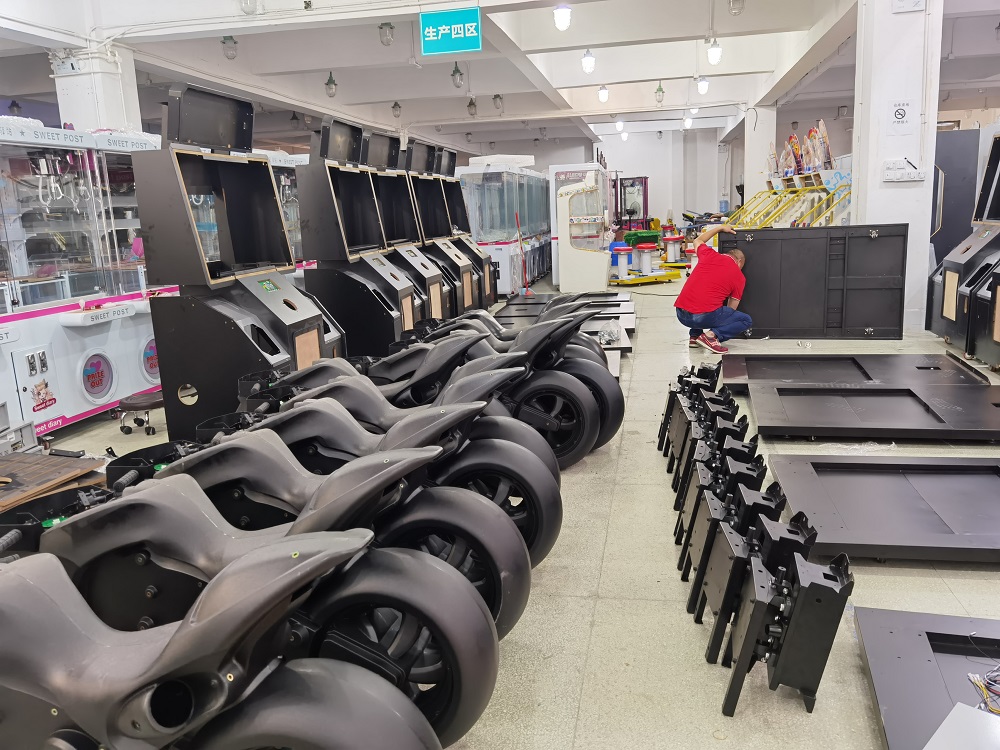
14. One-Stop Racing Simulator Solution
We provide a complete one-stop solution including racing simulator supply, venue planning, multiplayer zone design, logistics, installation, technical training, and after-sales support. Our goal is to help clients create exciting racing attractions that maximize customer engagement and long-term profitability.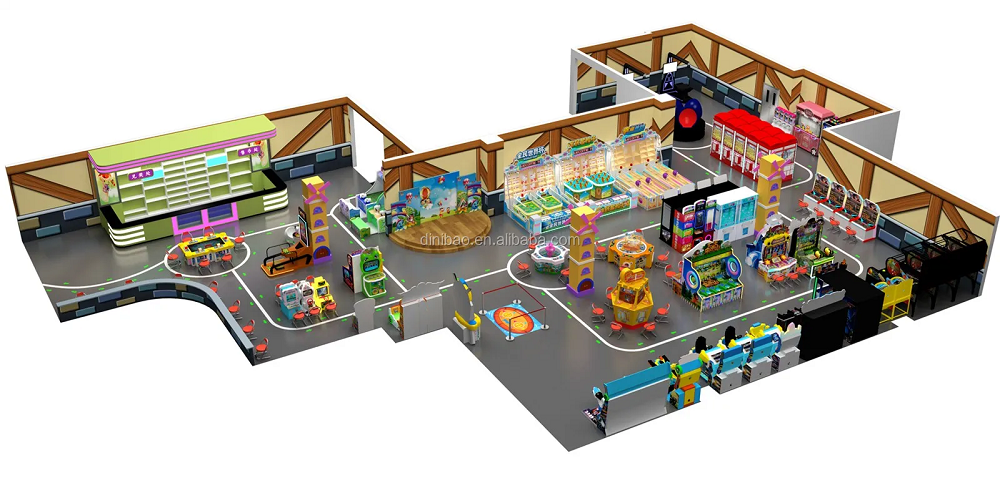
Conclusion
Racing simulators deliver realistic driving experiences through advanced controls, immersive visuals, motion technology, and competitive gameplay. By combining strategic layout planning, engaging content, and reliable equipment performance, operators can create attractions that attract more players, increase customer retention, and generate sustainable revenue growth.
For modern arcades, FECs, shopping malls, and entertainment venues, racing simulators remain one of the most effective investments for delivering premium entertainment experiences and staying competitive in the evolving amusement market.