
Sports simulators are rapidly becoming one of the most attractive and profitable features in modern entertainment venues, including arcades, family entertainment centers (FECs), sports bars, shopping malls, and immersive gaming spaces. By combining physical activity, digital interaction, and real-time competition, sports simulators create highly engaging experiences that increase customer participation, dwell time, and venue revenue.
Unlike traditional arcade machines, sports simulators encourage players to actively compete using real-world movements and sports mechanics. This interactive format appeals to a wide demographic and helps entertainment venues create energetic social environments that encourage repeat visits.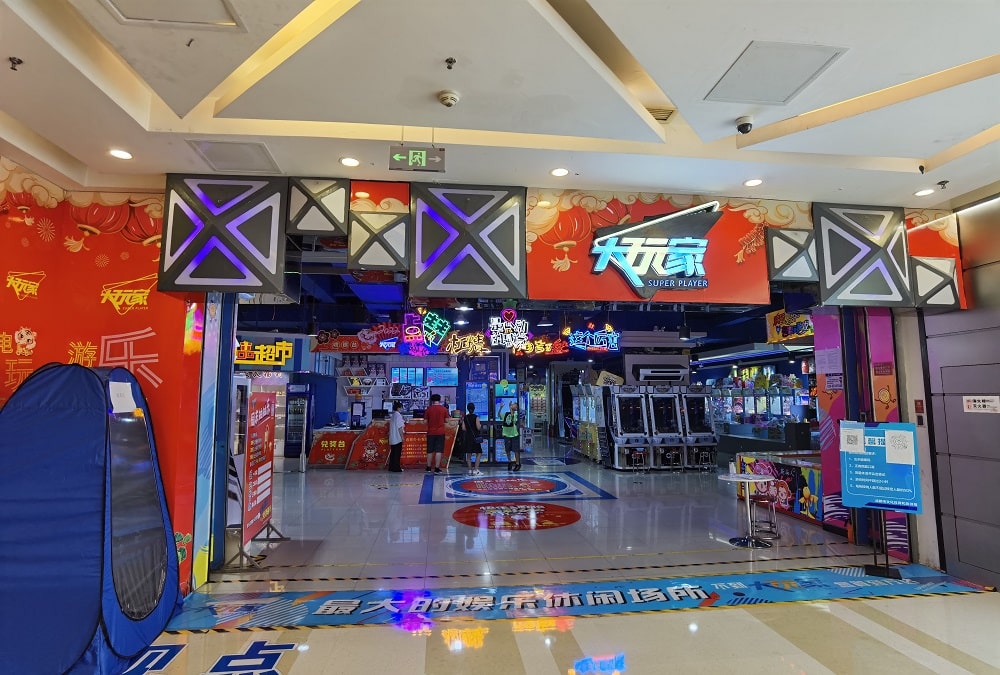
1. Why Sports Simulators Are Growing in Popularity
Modern customers increasingly seek immersive and active entertainment experiences.
Key advantages of sports simulators:
- Interactive gameplay
- Realistic sports experiences
- Competitive social engagement
- Broad demographic appeal
These attractions combine gaming with physical participation, making them highly effective traffic drivers.
2. Creating Interactive Competitive Experiences
Competition is one of the strongest motivators in entertainment.
Popular competitive simulator types:
- Football simulators
- Basketball simulators
- Baseball simulators
- Golf simulators
- Interactive sports projection games
Players are naturally encouraged to replay in order to improve scores and challenge others.
3. Encouraging Social Participation and Group Play
Sports simulators are highly social attractions.
Why social gameplay matters:
- Friends compete against each other
- Families participate together
- Spectators become active participants
Social interaction increases venue energy and encourages longer customer stays.
4. Physical Activity Improves Engagement
Active gameplay creates stronger emotional involvement than passive gaming.
Benefits of physical interaction:
- Higher excitement levels
- Improved immersion
- Increased player satisfaction
- More memorable experiences
Movement-based gameplay helps sports simulators stand out in modern entertainment venues.
5. Using Real-Time Scoring and Leaderboards
Score tracking enhances replay value.
Popular engagement features:
- High-score rankings
- Multiplayer tournaments
- Team-based competitions
- Skill challenge modes
Competitive systems encourage repeat participation and customer loyalty.
6. Strategic Placement for Maximum Visibility
Placement directly influences simulator performance.
Best locations:
- Central entertainment zones
- Near entrances
- Adjacent to sports or racing attractions
The active movement and visual excitement of sports simulators naturally attract attention.
7. Creating Dedicated Sports Entertainment Zones
Grouping compatible attractions increases overall venue activity.
Recommended nearby attractions:
- Basketball arcade machines
- Air hockey tables
- Boxing machines
- Racing simulators
Sports-themed zones create energetic and immersive entertainment experiences.
8. Enhancing Immersion Through Technology
Modern sports simulators rely heavily on immersive technology.
Popular features:
- Motion sensing systems
- HD interactive displays
- Realistic sound effects
- Dynamic lighting systems
Technology enhances realism and strengthens customer engagement.
9. Appealing to Multiple Age Groups
Sports simulators attract a wide customer base.
Popular audiences:
- Children and teenagers
- Young adults
- Families and corporate groups
Broad appeal supports stable long-term profitability.
10. Organizing Events and Competitive Activities
Events help maintain customer interest over time.
Popular event formats:
- Weekly tournaments
- Skill challenge competitions
- Team events and leagues
Events encourage repeat visits and community engagement.
11. Maintenance and Operational Reliability
Reliable operation is essential for customer satisfaction.
Best practices:
- Regular sensor calibration
- Screen and software maintenance
- Fast issue resolution
- Clean and organized gameplay areas
Reliable systems improve replay value and operational efficiency.
12. Revenue and ROI Benefits
Sports simulators deliver strong financial performance when properly integrated.
Typical outcomes:
- Increased customer dwell time
- Higher replay frequency
- Strong group participation
- ROI within 4–8 months in busy venues
Their interactive and competitive nature makes them highly profitable attractions.
13. Factory Strength & Production Capability
Our factory specializes in manufacturing advanced sports simulators, including football simulators, basketball simulators, baseball simulators, and interactive sports projection systems. With durable construction, advanced motion technology, and OEM/ODM support, we provide reliable solutions for global entertainment venues.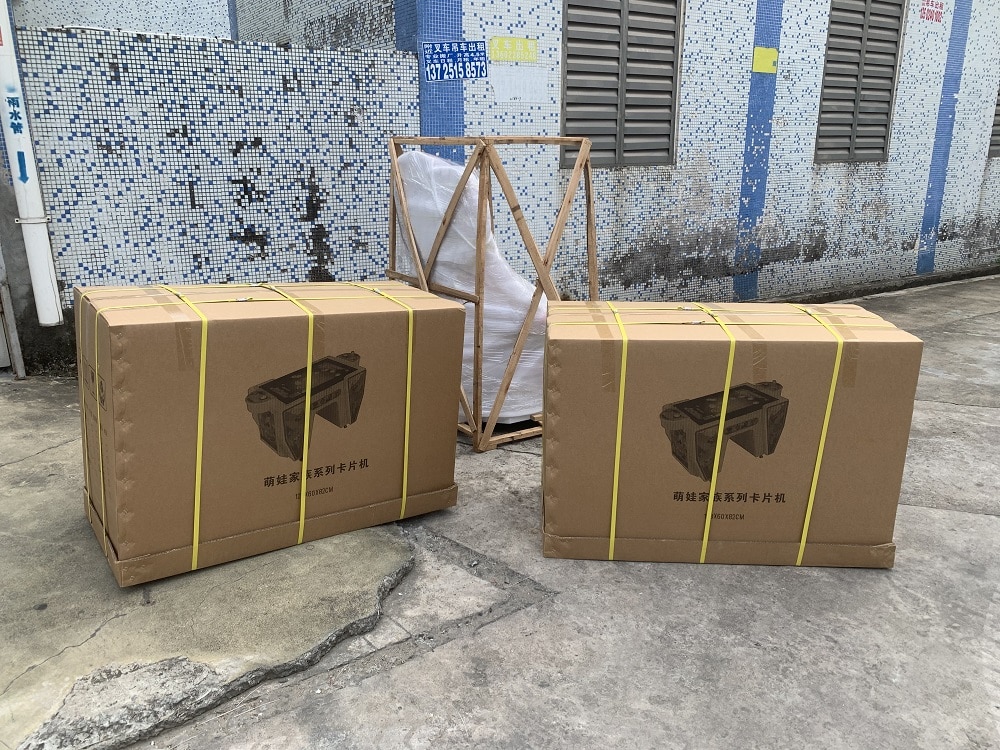
14. One-Stop Arcade & Sports Entertainment Solution
We provide a complete one-stop solution including sports simulator supply, venue planning, gameplay strategy consultation, logistics, installation, and after-sales support. Our goal is to help clients create interactive and profitable sports entertainment zones that maximize customer engagement and revenue.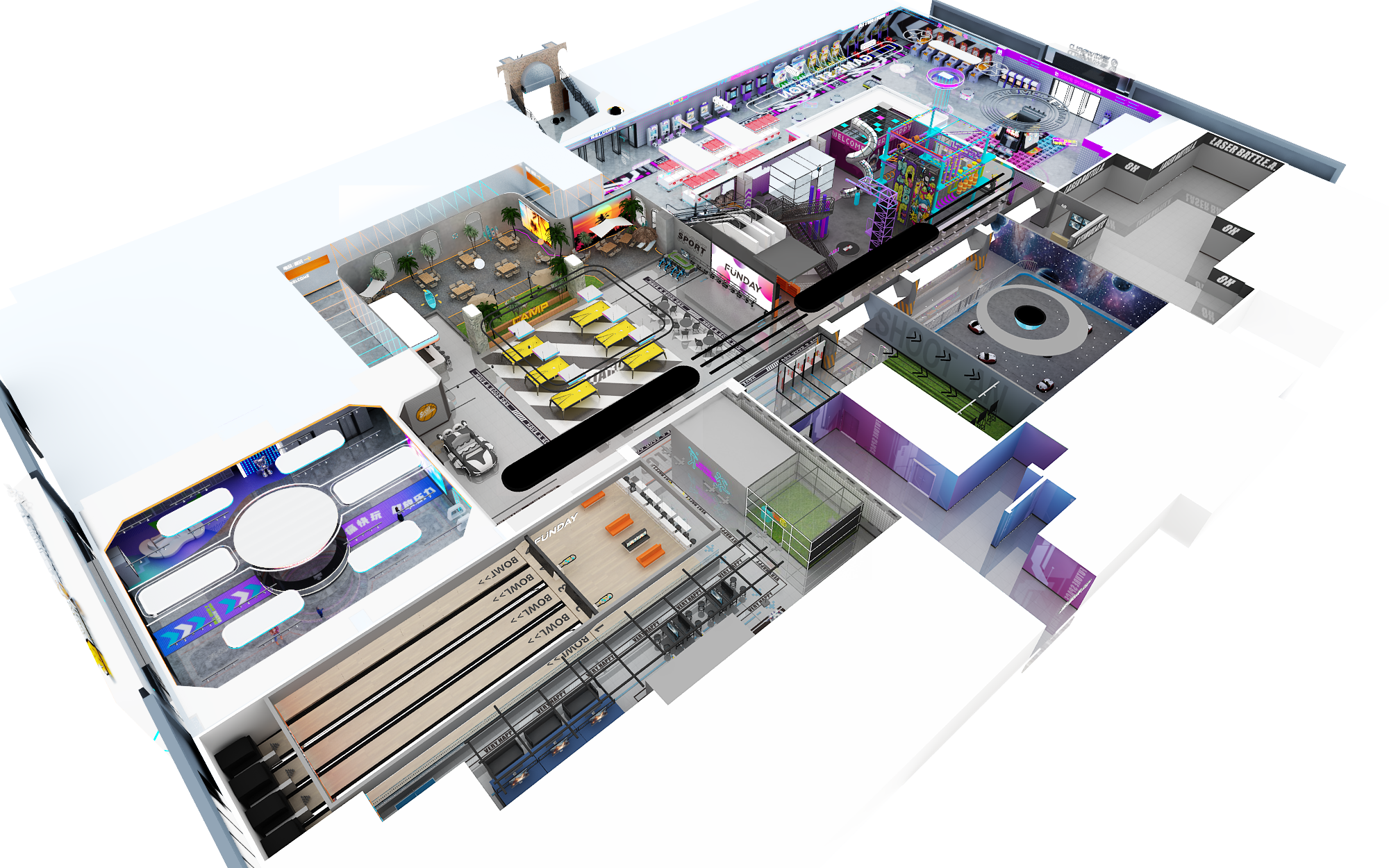
Conclusion
Sports simulators bring interactive competition to modern entertainment venues by combining physical activity, immersive technology, and social gameplay. Through strategic layout planning, competitive systems, and engaging sports experiences, operators can create energetic attractions that increase customer retention and long-term profitability.
For modern arcades and FECs, sports simulators represent one of the most effective investments for building interactive entertainment environments and driving sustainable business growth.