
VR game machines are rapidly becoming core attractions in arcades, family entertainment centers (FECs), shopping malls, and immersive entertainment venues. Their ability to deliver highly interactive and memorable experiences makes them powerful tools for increasing customer engagement, dwell time, and revenue.
However, successful VR integration requires more than simply purchasing equipment. Operators must carefully plan space layout, traffic flow, and content strategy to maximize both operational efficiency and return on investment (ROI).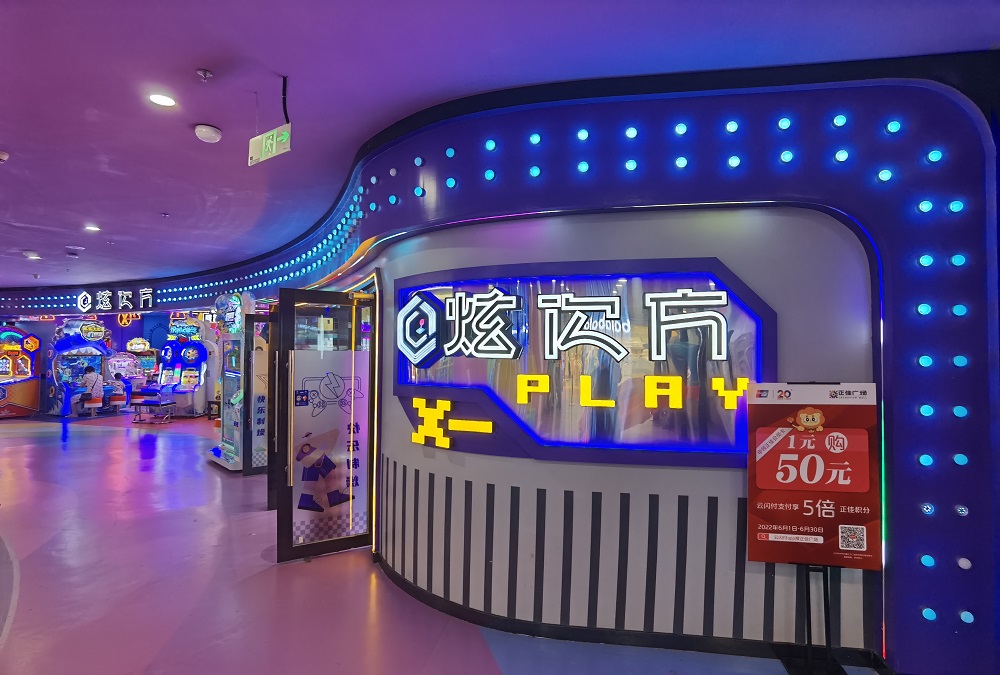
1. Why VR Game Machines Are Valuable for Modern Venues
VR attractions offer experiences that traditional arcade games cannot replicate.
Key advantages:
- Highly immersive gameplay
- Premium entertainment value
- Strong social and spectator appeal
- High replay potential with diverse content
These benefits help venues stand out in a competitive entertainment market.
2. Understanding Different Types of VR Machines
Different VR systems require different space and operational planning.
Common VR categories:
- VR motion simulators
- VR racing machines
- VR shooting simulators
- Multiplayer VR platforms
- Free-roam VR systems
Choosing the right mix depends on venue size and target audience.
3. Planning Space Efficiently for VR Zones
Space planning is critical for safety and player experience.
Key considerations:
- Player movement clearance
- Queue and waiting areas
- Spectator viewing zones
- Emergency access paths
Avoid overcrowding to maintain both safety and immersion.
4. Creating High-Visibility VR Areas
VR attractions perform best when placed strategically.
Recommended locations:
- Near venue entrances
- Central entertainment zones
- High-traffic pathways
The movement and visual impact of VR machines naturally attract attention.
5. Designing Comfortable Queue and Waiting Areas
VR experiences often generate strong demand.
Best practices:
- Comfortable waiting zones
- Clear game instructions and displays
- Spectator screens showing live gameplay
Well-designed waiting areas improve customer satisfaction and dwell time.
6. Optimizing Content Strategy for Maximum Retention
Content variety is essential for long-term profitability.
Popular VR content categories:
- Racing games
- Shooting adventures
- Horror experiences
- Sports simulators
- Interactive exploration games
Regular content updates encourage repeat visits.
7. Matching Content to Target Audiences
Different audiences prefer different VR experiences.
Kids and families:
- Casual adventure games
- Cartoon-style interactive experiences
Teenagers and young adults:
- Competitive and action-based games
Group visitors:
- Multiplayer cooperative or competitive experiences
Audience-focused content improves engagement and replay value.
8. Creating Social and Multiplayer Experiences
Social interaction significantly increases venue activity.
High-engagement features:
- Multiplayer VR competitions
- Team-based gameplay
- Shared spectator experiences
Group participation encourages longer stays and higher spending.
9. Integrating VR with Other Attractions
VR zones work best within a balanced entertainment ecosystem.
Complementary attractions:
- Racing simulators
- Redemption games
- Claw machine zones
- Sports arcade games
Cross-zone integration increases overall player movement and spending.
10. Managing Safety and Operational Efficiency
Safety is essential in VR environments.
Important measures:
- Staff supervision and guidance
- Regular equipment maintenance
- Sanitization of VR headsets
- Proper cable and movement management
A safe and reliable experience improves customer trust.
11. Using Data to Optimize Performance
Performance tracking helps maximize ROI.
Key metrics:
- Revenue per machine
- Popular game titles
- Average session duration
- Replay frequency
Data-driven adjustments improve both content selection and layout efficiency.
12. Revenue and ROI Benefits
Well-planned VR zones deliver strong financial performance.
Typical outcomes:
- Higher premium spending
- Increased dwell time
- Improved venue differentiation
- ROI within 4–8 months in high-traffic locations
VR attractions often become the centerpiece of modern entertainment venues.
13. Factory Strength & Production Capability
Our factory specializes in manufacturing advanced VR game machines, including motion simulators, multiplayer VR systems, and immersive entertainment platforms. With cutting-edge technology, durable construction, and OEM/ODM customization, we provide reliable solutions for global entertainment venues.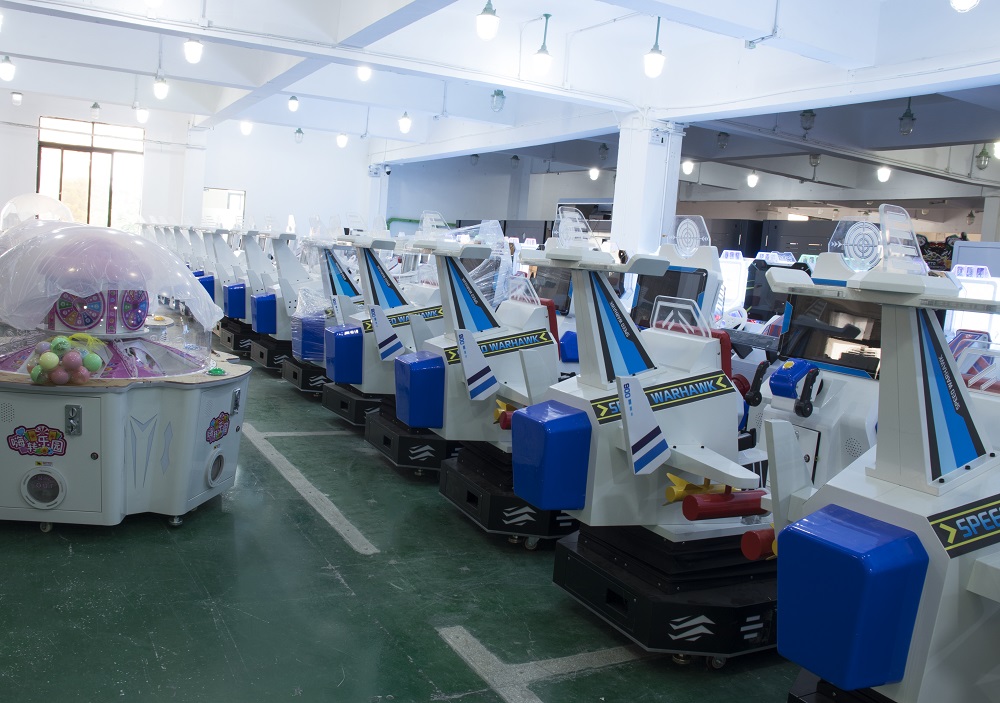
14. One-Stop Arcade Solution
We offer a complete one-stop solution including VR machine supply, venue space planning, content strategy guidance, logistics, installation, and after-sales support. Our goal is to help clients create immersive VR zones that maximize engagement and long-term profitability.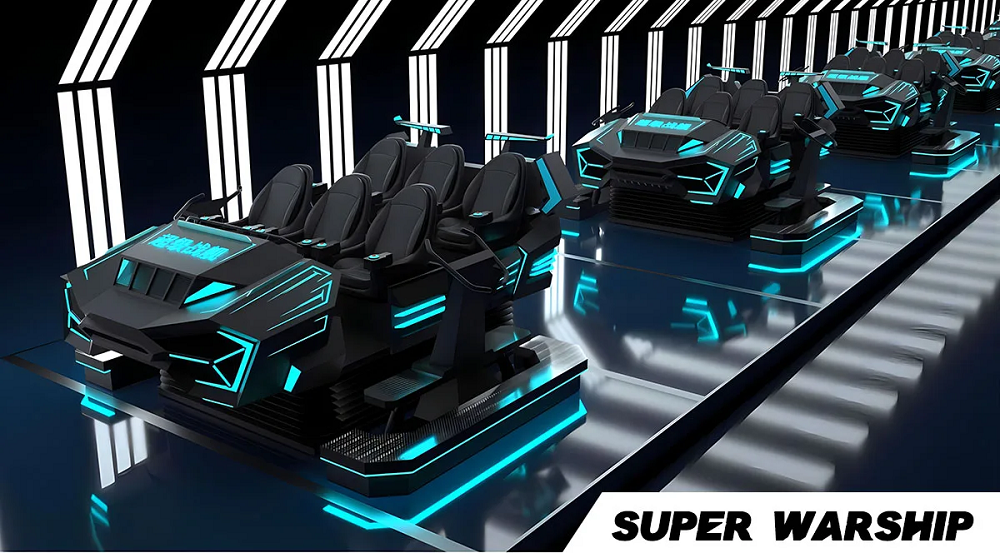
Conclusion
Integrating VR game machines into entertainment venues requires strategic planning in both space design and content management. By optimizing layout, audience targeting, multiplayer interaction, and content rotation, operators can create highly immersive experiences that increase customer retention and revenue.
For modern arcades and FECs, VR is not just a trend—it is a powerful long-term investment in the future of interactive entertainment.