
Claw machines are more than just simple arcade attractions—they are carefully designed experiences that leverage powerful psychological principles to drive player engagement and spending. Their combination of skill, chance, and reward creates a highly addictive loop that keeps players coming back.
For arcade operators, understanding the psychology behind claw machines is essential to maximizing revenue and improving player satisfaction.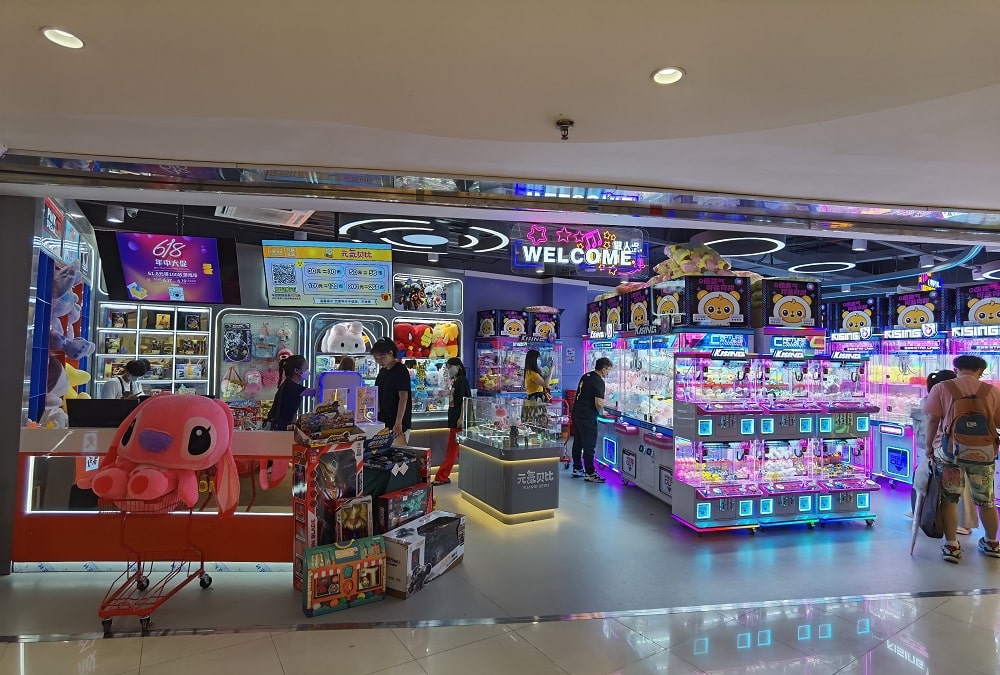
1. The “Near-Miss Effect” Drives Repeat Play
One of the most powerful psychological triggers in claw machines is the near-miss effect.
When a player almost wins—grabbing a prize but dropping it at the last moment—it creates a strong emotional response. This feeling encourages players to try again because they believe they are “close” to winning.
How to apply it:
- Adjust claw strength to allow occasional near-wins
- Ensure prizes are positioned for visible “almost success”
- Avoid making the game too easy or too difficult
A balanced near-miss experience increases repeat spending.
2. Variable Reward System Increases Engagement
Claw machines use a variable reward schedule, similar to slot machines.
Players don’t know exactly when they will win, which creates excitement and anticipation.
Benefits:
- Keeps players engaged longer
- Encourages multiple attempts
- Increases perceived value of winning
This unpredictability is key to sustained player interest.
3. Perceived Skill vs. Luck Balance
Players believe claw machines require skill, even though outcomes are partially controlled.
This balance is critical:
- Too much randomness = frustration
- Too much skill = fewer plays after winning
Optimization strategy:
- Maintain a “skill illusion” through responsive controls
- Provide consistent claw movement and timing
- Allow occasional wins to reinforce confidence
When players feel in control, they are more willing to spend.
4. Visual Attraction and Prize Visibility
Claw machines are designed to attract attention and trigger impulse play.
Key visual elements:
- Bright LED lighting
- Transparent cabinets
- Colorful and desirable prizes
- Strategic prize arrangement
Best practices:
- Place high-value items in visible positions
- Keep machines clean and well-lit
- Rotate prizes regularly
Strong visual appeal increases both engagement and conversion rate.
5. The “Collection Effect” Encourages Repeat Spending
Players are often motivated to collect a full set of prizes.
Examples:
- Plush toy series
- Character collections
- Limited edition items
How to use this strategy:
- Offer themed prize sets
- Display the full collection on the machine
- Highlight rare or exclusive items
This creates a long-term engagement loop beyond a single play.
6. Social Proof and Observational Influence
People are more likely to play when they see others winning or participating.
Key tactics:
- Place machines in visible, high-traffic areas
- Encourage winners to display prizes
- Use machines with transparent gameplay visibility
When players observe success, they are more likely to try themselves.
7. Instant Gratification and Emotional Reward
Claw machines provide immediate feedback and emotional payoff.
- Fast game cycles (20–60 seconds)
- Immediate result after each play
- Physical reward (prize in hand)
This instant gratification loop encourages continuous play without long decision-making.
8. Pricing Strategy and Micro-Spending Behavior
Low-cost entry points make spending feel effortless.
Typical pricing:
- $0.5 – $2 per play
Players are more willing to spend repeatedly in small amounts rather than making a single large purchase.
Optimization tips:
- Offer bundled credits (e.g., bonus plays)
- Introduce loyalty rewards
- Use cashless systems for seamless transactions
9. Machine Settings and Profit Optimization
Operators can fine-tune machines to balance profitability and player satisfaction.
Adjustable factors:
- Claw strength and grip timing
- Win rate (payout ratio)
- Prize value vs. cost
The goal is to create a fair but profitable experience that encourages long-term play.
10. Creating a “Win Experience”
Winning is essential to maintaining player trust.
Best practices:
- Ensure regular but controlled wins
- Celebrate wins with lights and sound effects
- Avoid long losing streaks
A positive experience increases both retention and word-of-mouth promotion.
11. Location and Placement Psychology
Placement significantly influences player behavior.
Ideal locations:
- Arcade entrances
- Shopping mall walkways
- Near high-traffic attractions
High visibility increases impulse play and social influence.
12. Factory Strength & Production Capability
Our factory specializes in manufacturing high-quality claw machines with advanced control systems, customizable designs, and durable components. We help operators optimize machine performance and player experience for maximum profitability.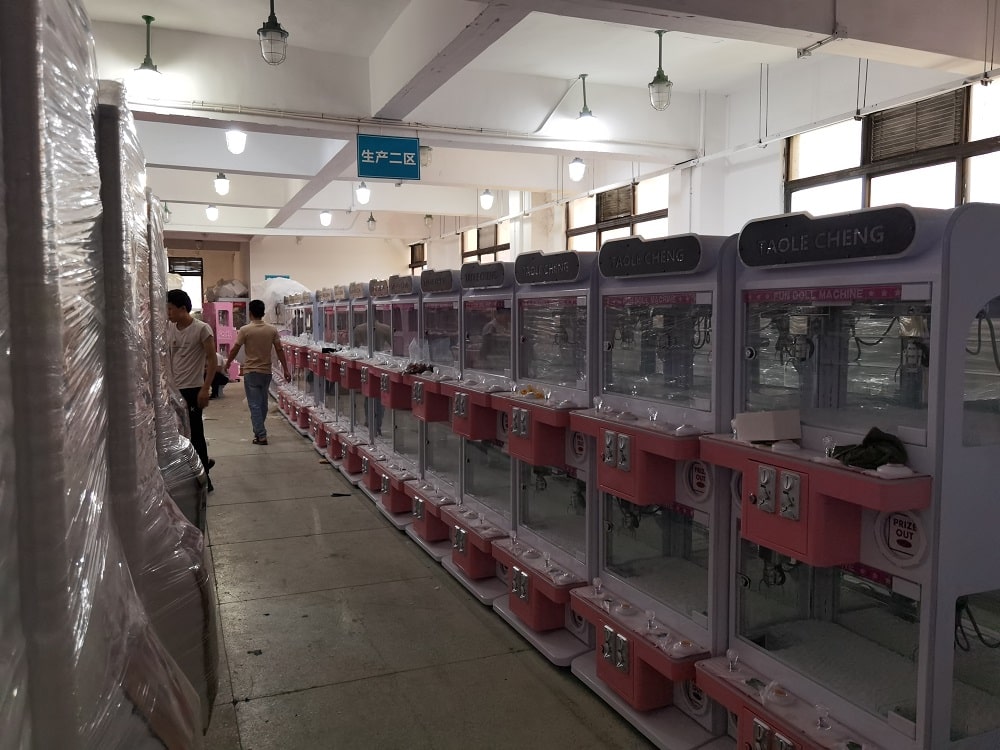
13. One-Stop Arcade Solution
We provide a complete one-stop solution including claw machine supply, prize strategy consulting, venue layout design, logistics, installation, and after-sales support. Our goal is to help clients increase player engagement and maximize ROI.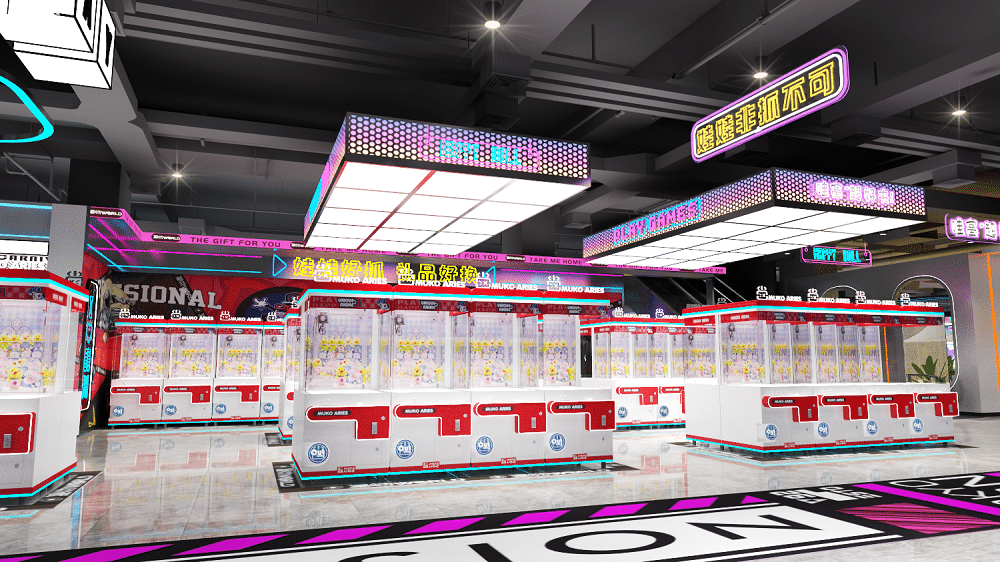
Conclusion
The success of claw machines lies in their ability to leverage psychology—combining near-miss effects, variable rewards, and visual attraction to drive engagement and spending.
By understanding and applying these principles, arcade operators can significantly increase revenue while creating a fun and satisfying player experience.