
Redemption game zones are one of the most profitable segments in modern arcades and family entertainment centers (FECs). By combining skill-based gameplay with ticket rewards and prize redemption systems, these zones encourage repeat play, longer customer dwell time, and higher spending per visit.
However, profitability depends heavily on two key factors: machine mix strategy and layout design. A well-structured redemption zone can significantly increase revenue per square meter.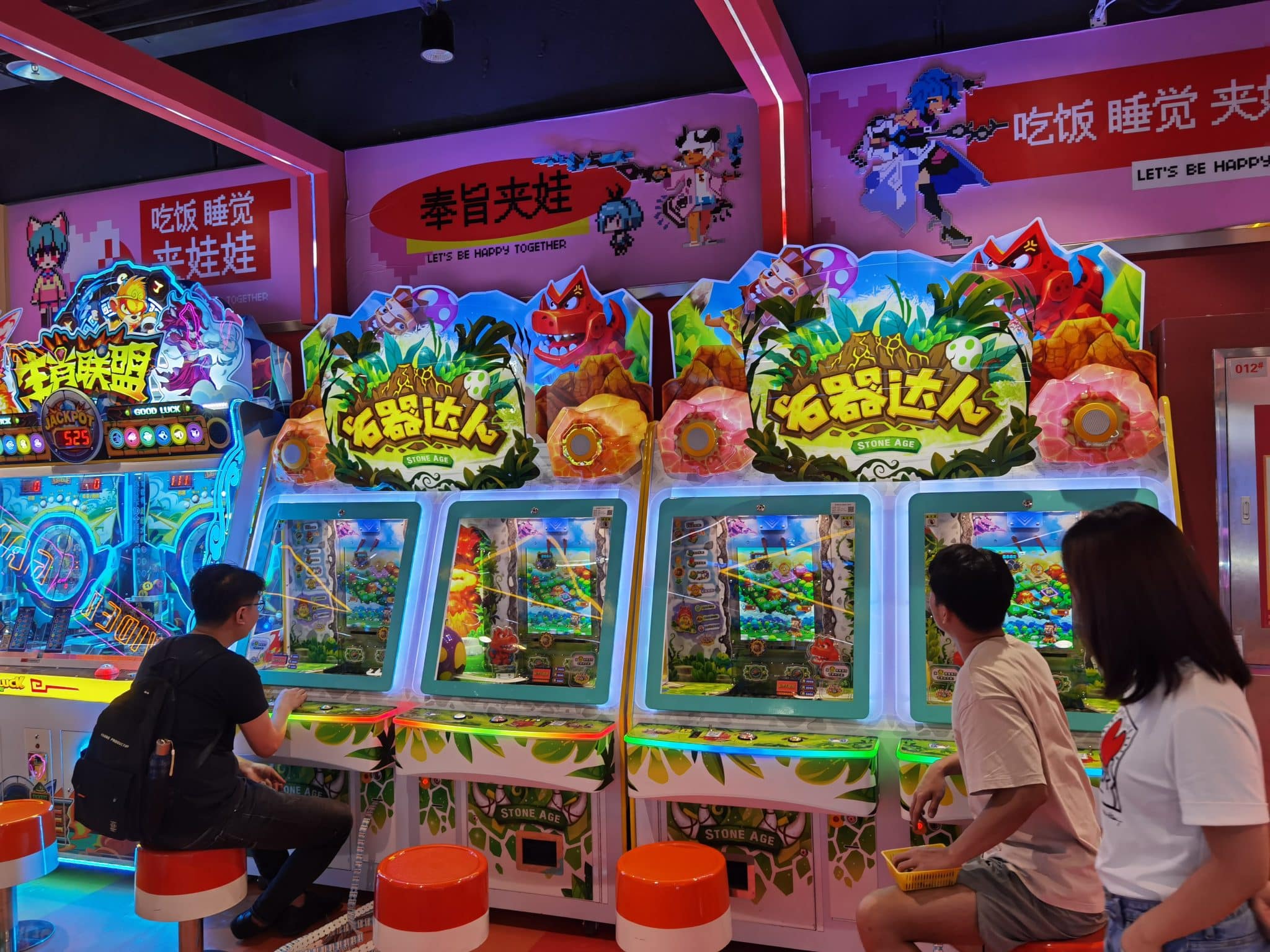
1. Why Redemption Game Zones Are Highly Profitable
Redemption games attract both children and adults because they combine entertainment with tangible rewards.
Key advantages:
- Strong repeat play behavior
- Ticket-based reward motivation
- High engagement across all age groups
- Easy integration with prize redemption counters
These factors make redemption zones a core revenue engine in arcade businesses.
2. Core Machine Types in a Redemption Game Zone
A successful redemption zone requires a balanced mix of machines to engage different player types.
1. Skill-Based Games
Examples include basketball machines, hammer games, and timing-based challenges.
- Encourage competition
- High replay value
- Suitable for teens and adults
2. Ticket Earning Games
Fast-paced games that generate tickets quickly.
- High frequency play
- Ideal for kids and casual players
- Drives continuous engagement
3. Sports Simulator Redemption Games
Interactive football, baseball, or racing games with ticket rewards.
- Immersive experience
- High perceived value
- Strong group participation
4. Mini Prize Games
Smaller redemption machines such as pushers or mini skill machines.
- Low entry cost
- High repeat play rate
- Suitable for tight spaces
5. Big Prize / Jackpot Machines
High-risk, high-reward machines that attract attention.
- Strong visual appeal
- Drives foot traffic
- Creates excitement zones
3. Ideal Machine Mix Strategy for Maximum Profit
A profitable redemption zone should follow a balanced structure:
- 40% skill-based machines
- 30% ticket earning machines
- 20% mini redemption or casual games
- 10% jackpot/high-attraction machines
This balance ensures stable revenue while maintaining excitement and variety.
4. Layout Strategy: How to Maximize Player Flow
Layout design directly affects player behavior and revenue generation.
1. Entrance Attraction Zone
Place high-visual-impact machines near entrances:
- Jackpot machines
- Large LED skill games
- Motion or sports simulators
Goal: attract walk-in traffic immediately.
2. Core Engagement Zone
Central area should include:
- Basketball games
- Hammer machines
- Interactive sports redemption games
Goal: maximize dwell time and continuous play.
3. Family & Kids Zone
Dedicated area for younger players:
- Mini ticket games
- Simple skill machines
- Low-cost redemption games
Goal: ensure safe and easy access for children.
4. Prize Redemption Counter Placement
The redemption counter should be:
- Highly visible
- Located at exit or central hub
- Designed as a “reward destination”
This increases motivation to collect more tickets.
5. Flow Design: Guiding Customer Movement
A well-designed redemption zone should guide customers naturally:
Entrance → Attraction Machines → Skill Zone → Kids Zone → Redemption Counter → Exit
This flow increases exposure to multiple machines, boosting total spend per visitor.
6. Visual Design and Atmosphere Optimization
Visual appeal is critical in redemption zones.
Key design elements:
- Bright LED lighting across all machines
- Themed zones (sports, ocean, adventure)
- Large signage and digital scoreboards
- Open layout for easy visibility
A visually dynamic environment increases impulse play.
7. Pricing and Ticket Strategy
Proper pricing ensures balanced profitability.
Recommended pricing:
- $1 – $3 per play (standard games)
- $3 – $5 for premium or simulator games
Ticket strategy:
- Small wins for frequent engagement
- Big jackpots for excitement spikes
- Bonus tickets for combo plays
Balanced rewards maintain long-term engagement.
8. Revenue and ROI Potential
Redemption game zones are among the highest-performing arcade investments.
Typical performance:
- $100 – $500 per machine per day (high-traffic locations)
- Strong group play increases total revenue
ROI timeline:
- 3–6 months (premium locations)
- 6–12 months (average locations)
Well-optimized zones can outperform standard arcade setups significantly.
9. Operational Optimization Tips
To maximize long-term profitability:
- Rotate game difficulty settings regularly
- Update prize selection frequently
- Monitor machine performance data
- Maintain machines to reduce downtime
- Adjust layout based on traffic patterns
Continuous optimization ensures stable revenue growth.
10. Factory Strength & Production Capability
Our factory specializes in manufacturing high-quality redemption game machines, including skill-based games, sports simulators, and ticket redemption systems. With advanced production technology, strict quality control, and OEM/ODM customization, we support global arcade operators in building profitable entertainment zones.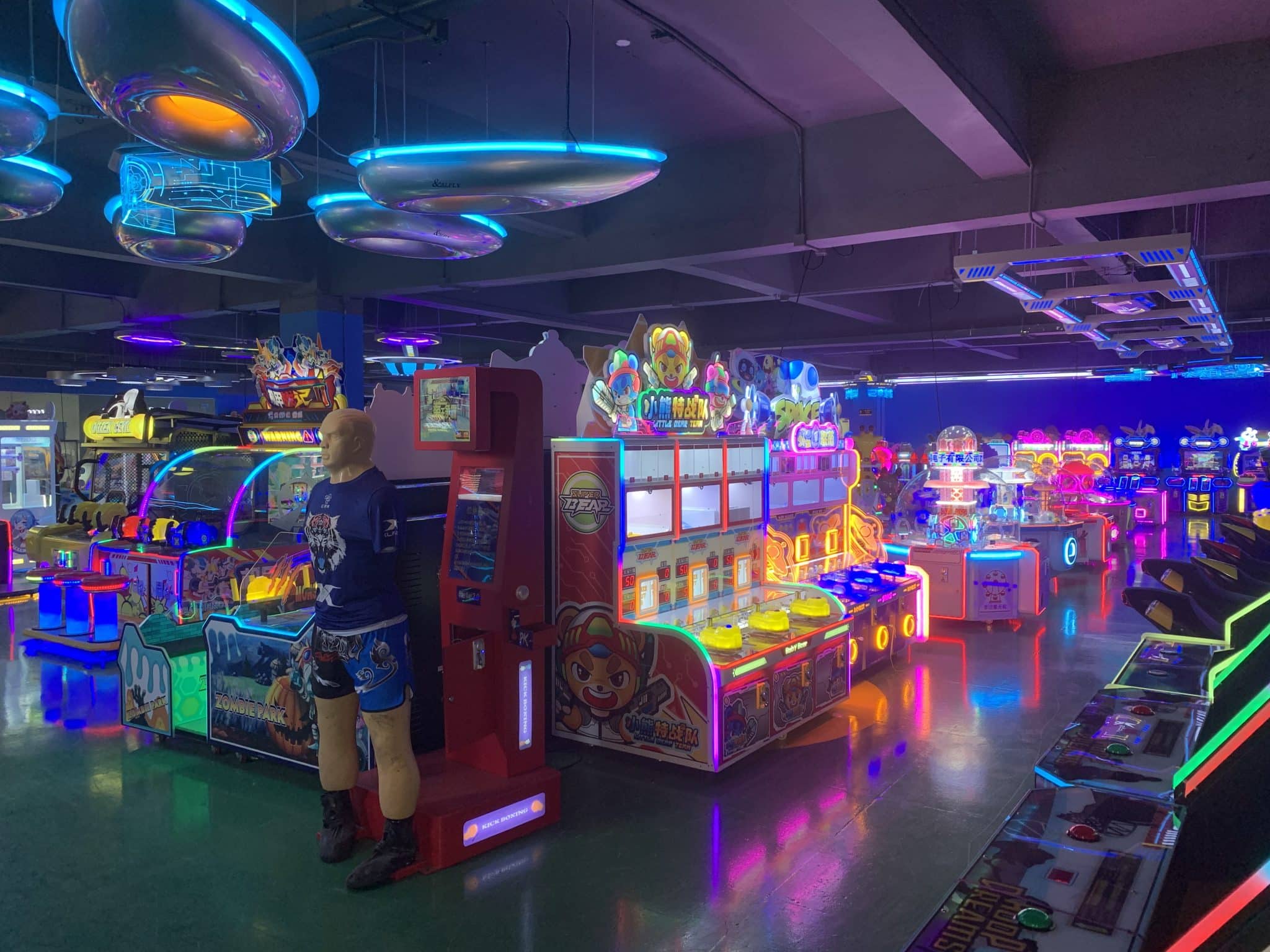
11. One-Stop Arcade Solution
We provide a complete one-stop solution including machine supply, redemption zone design, layout planning, logistics, installation, and after-sales support. Whether you are building a new arcade or upgrading an existing FEC, we help maximize your ROI and operational efficiency.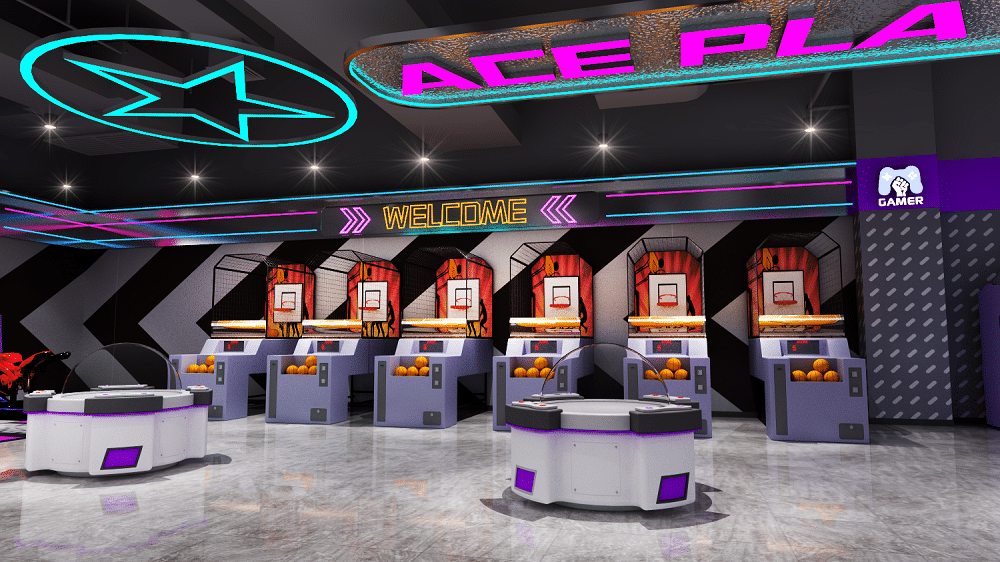
Conclusion
A high-profit redemption game zone is built on the right combination of machines, strategic layout design, and optimized player flow. By balancing skill games, ticket earners, and jackpot machines, operators can significantly increase engagement and revenue.
For arcade businesses, redemption zones remain one of the most reliable and scalable profit centers in the entertainment industry.