
With the rapid evolution of entertainment formats, operators are increasingly comparing Singing Pavilions (mini karaoke booths) and traditional KTV venues to determine which model delivers better profitability. While both are based on the same core concept—karaoke entertainment—their business models, costs, and ROI differ significantly.
This article provides a detailed comparison to help arcade investors, mall operators, and entertainment business owners choose the most profitable option.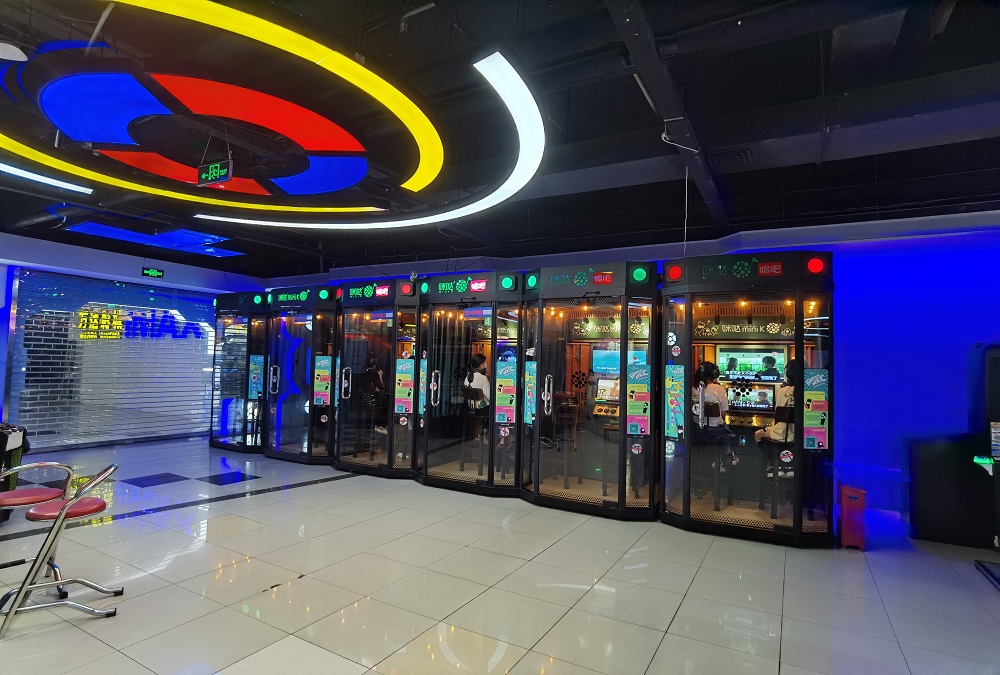
1. What Is a Singing Pavilion?
A Singing Pavilion (also known as a mini karaoke booth or self-service singing machine) is a compact, coin-operated karaoke unit typically installed in malls, arcades, or public spaces.
Key Characteristics:
- Small footprint (1–2 people capacity)
- Pay-per-song or pay-per-time model
- Fully automated, self-service system
- Minimal staffing required
- Easy installation and relocation
2. What Is Traditional KTV?
Traditional KTV (Karaoke Television) consists of private rooms designed for group entertainment, usually combined with food and beverage services.
Key Characteristics:
- Large private rooms for groups
- Hourly room rental pricing
- High initial renovation and soundproofing costs
- Requires staff, licensing, and operations management
- Strong focus on social gatherings
KTV venues generate revenue mainly through room rental and F&B sales, with customers often staying for extended sessions.
3. Investment Cost Comparison
| Factor | Singing Pavilion | Traditional KTV |
|---|---|---|
| Initial Investment | $3,000 – $10,000 per unit | $50,000 – $500,000+ |
| Space Requirement | Very small (1–2㎡) | Large (multiple rooms) |
| Setup Time | Fast (plug & play) | Long (construction & licensing) |
| Scalability | Easy (add more units) | Limited by space |
Key Insight:
Singing Pavilions require significantly lower upfront investment, making them ideal for small and medium investors.
4. Operating Cost Comparison
Singing Pavilion:
- Almost zero labor cost
- Low electricity consumption
- Minimal maintenance
- No complex licensing required
Traditional KTV:
- High rent (large space)
- Staffing costs (service, cleaning, management)
- Licensing fees (music, alcohol, business permits)
- Maintenance of rooms and equipment
👉 KTV businesses often have high fixed costs, especially rent and labor, which directly impact profitability.
5. Revenue Model & Profitability
Singing Pavilion Revenue Model
- Pay-per-song ($1–$3 per session)
- High turnover rate
- 24/7 operation potential
Traditional KTV Revenue Model
- Hourly room rental
- Food & beverage upselling
- Event bookings (parties, corporate events)
Industry Data Insight:
- Karaoke rooms (KTV-style) can achieve 40–60% profit margins and fast ROI under ideal conditions
- However, profitability depends heavily on occupancy rate and location
6. ROI (Return on Investment) Comparison
| Metric | Singing Pavilion | Traditional KTV |
|---|---|---|
| Payback Period | 1–3 months | 6–18 months (or longer) |
| Revenue per sqm | Very high | High but space-intensive |
| Risk Level | Low | High |
| Scalability | High | Medium |
Key Insight:
- Singing Pavilions deliver faster ROI and lower risk
- KTV offers higher total revenue potential but requires strong management
7. Market Trends & Consumer Behavior
- Younger consumers prefer quick, private, on-demand experiences
- Singing booths fit “fragmented entertainment time” in malls
- Traditional KTV growth has slowed in some markets due to high costs and changing habits
At the same time, KTV remains strong for:
- Group entertainment
- Corporate events
- Nightlife experiences
8. Profitability Summary
Singing Pavilion Advantages:
- Low investment, fast ROI
- Flexible placement (malls, arcades, cinemas)
- Passive income model
- Easy to scale
Traditional KTV Advantages:
- Higher per-customer spending
- Strong social and group appeal
- Multiple revenue streams (F&B, events)
9. Which One Should You Choose?
👉 Choose Singing Pavilion if you want:
- Fast returns with low investment
- A scalable, low-risk business model
- Placement in malls or high-traffic public areas
👉 Choose Traditional KTV if you want:
- A full-scale entertainment venue
- Higher long-term revenue potential
- A business centered on group experiences and nightlife
10. Factory Strength & Production Capability
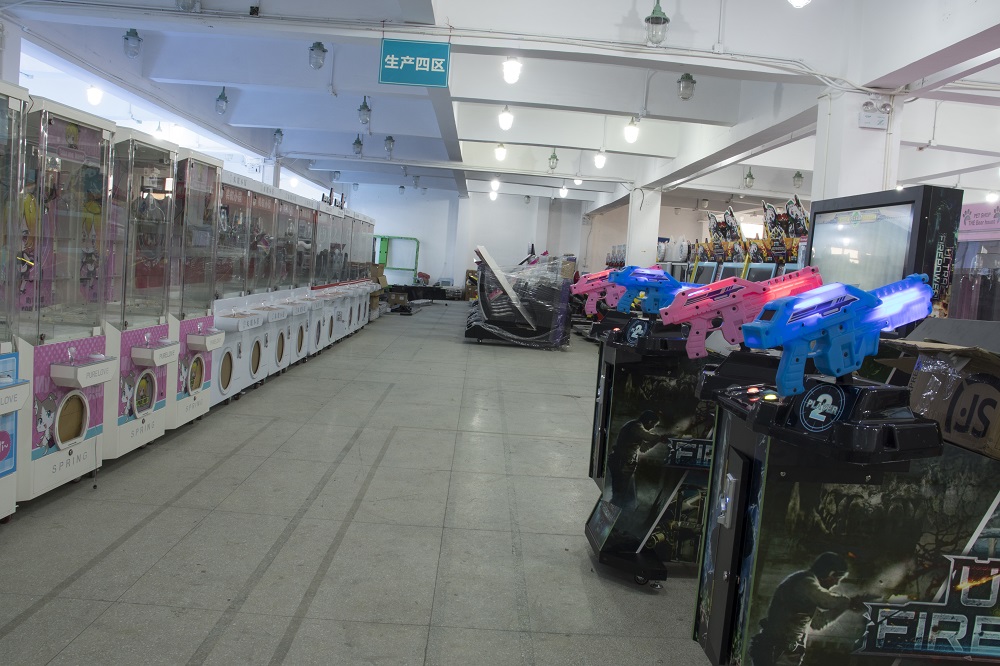
Our factory specializes in manufacturing high-quality singing pavilion machines and karaoke systems. With advanced production technology, customizable designs, and strict quality control, we provide reliable solutions for global entertainment businesses.
11. One-Stop Entertainment Solution
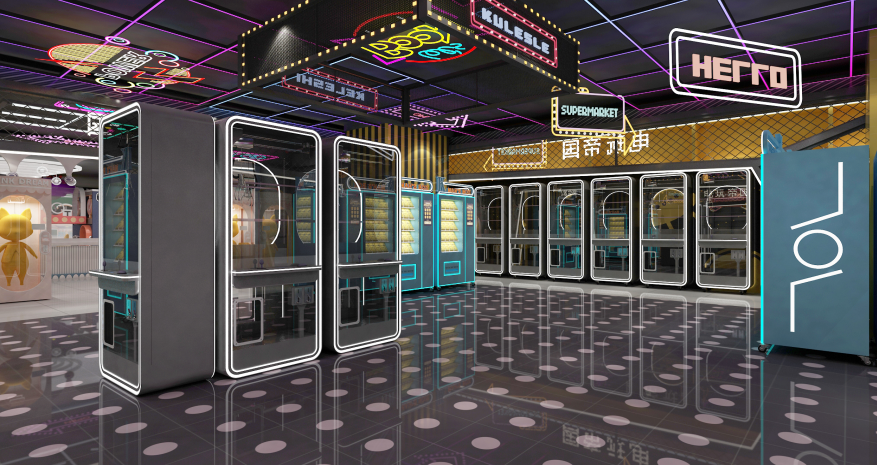
We offer a complete one-stop solution including singing booths, redemption machines, claw machines, and full arcade planning services. From equipment supply to venue design and installation, we help clients build profitable entertainment spaces with maximum ROI.
Conclusion
Both Singing Pavilions and Traditional KTVs can be profitable—but they serve different investment strategies.
- Singing Pavilions excel in ROI speed, scalability, and low operational cost
- Traditional KTVs offer higher revenue potential but come with higher risk and complexity
For most modern entertainment centers and arcade investors, Singing Pavilions represent a smarter, faster-growing business opportunity in today’s market.